Silver Screen Library
Bat Out of Hell edited by Don Bruns - Review

Follow Us:






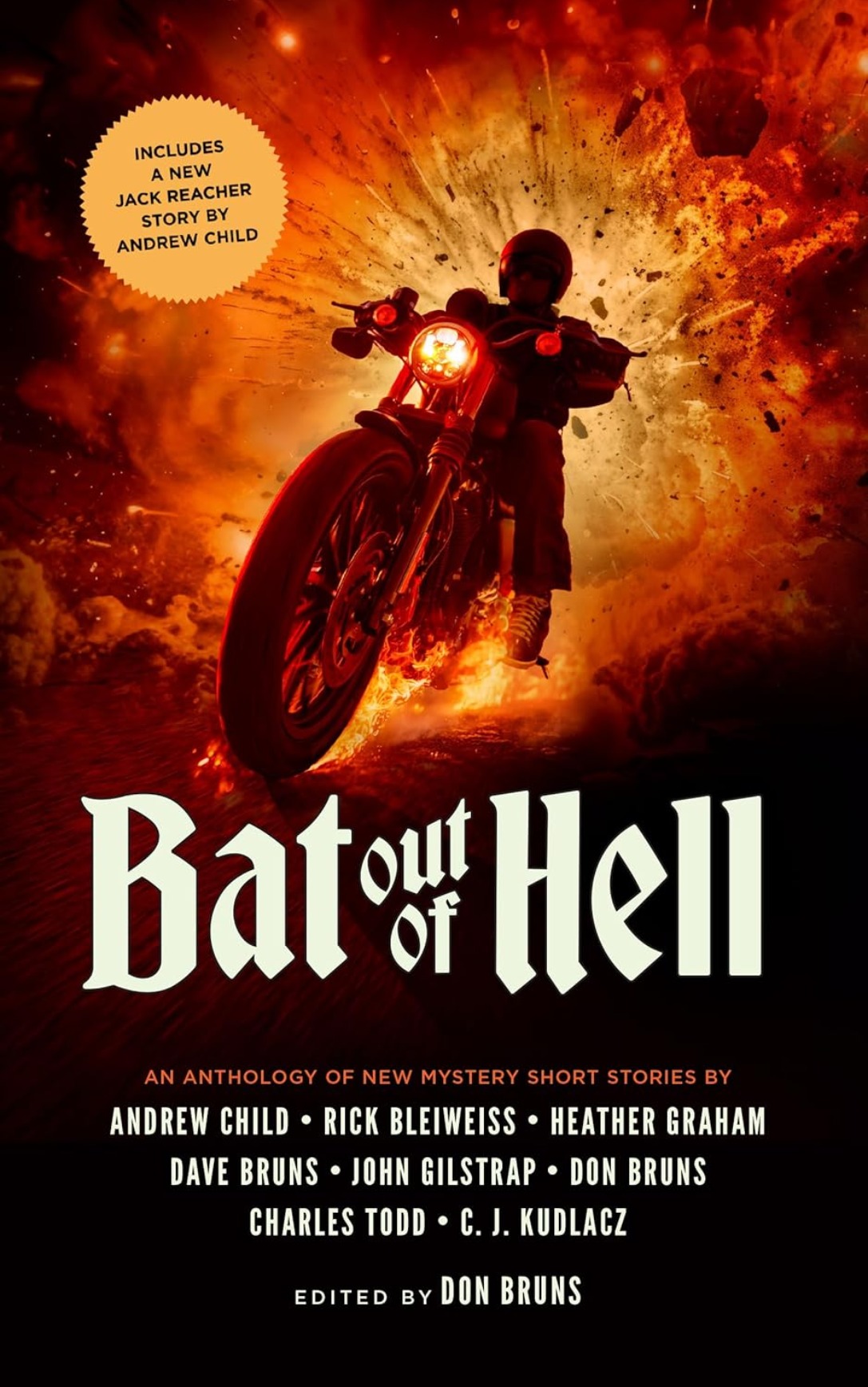
Short stories appearing in anthologies typically share a common element, such as characters, settings, or central themes. I thought I had encountered almost every possible premise for an anthology, and then I read Bat Out of Hell, compiled and edited by noted mystery author Don Bruns. This book is the latest in Bruns’s Music and Murder Mystery Series, each volume of which takes its title and theme from an iconic album. The stories in Bat Out of Hell are suggested by the songs on Meat Loaf’s iconic 1977 debut album of the same name. Some tales hew closer to the “source material” than others. However, once readers get past the album tie-in and focus on the stories’ overall quality, the collection is an entertaining read for mystery and crime fiction fans.
Bat Out of Hell contains eight stories by different authors, including editor Bruns. Most of the stories take their titles from songs on the album. (Since the anthology has eight stories and the album only has seven songs, some songs had to do double duty.) The anthology’s opening entry, also called “Bat Out of Hell” by Andrew Child, stays closest to its source material and is also the best in the book. It’s a typical Jack Reacher story. (Andrew Child has taken over writing the Reacher series from his
brother, Lee Child.) Reacher finds himself in a small New Mexico town that’s seen better days. While having dinner in a local diner, he watches a woman barricade herself in the ladies’ room while a large man pounds on the door, demanding she get out. Of course, Reacher comes to her rescue. However, he later learns there is far more to her story than simply hiding from an abusive boyfriend. Some typical well-staged Reacher action ensues. The story is exciting, and anyone familiar with the first verse of the titular song will soon realize that the story’s plot tracks that verse closely.
None of the other stories in the anthology mesh that well with the album’s songs and titles. Still, several are pretty good. “All Revved Up with No Place to Go” by John Gilstrap is another variation on Richard Condon’s classic story that never grows old, “The Most Dangerous Game.” A man tries to impress his date by taking her four-wheeling in his ATV in the remote West Virginia woods. The ATV crashes, stranding them in the middle of nowhere. Their situation soon goes from bad to calamitous. They meet a demented hunter who announces his intention to kill the couple for trespassing in his woods. The result is a battle of wits and a deadly chase. I enjoyed seeing the would-be victim (who calls himself Ace) work out a strategy to survive. The story’s only drawback is Ace’s female companion, Deb, whose personality changes dramatically from scene to scene to fit the story’s requirements.
Two other stories in the anthology besides the Reacher story employ characters from the authors’ other works. “Two Out of Three Ain’t Bad” by the collection’s editor is set in New Orleans and features his series regulars. Quentin Archer is a homicide detective, and his unofficial partner, Solange Cordray, is a voodoo practitioner who assists on his cases. Here, Archer investigates a murder-robbery at a high-end jewelry store and solves the case when Solange visits the store and picks up vibes from the jewelry. My description may sound silly, but the author makes the premise work, and the story is entertaining.
“You Took the Words Right Out of My Mouth” (a character utters those words at the end of the story) by Rick Bleiweiss features his historical detective, Pignon Scorbion. He’s the chief police inspector in a rural English town in 1910 and uses Holmesian-style deductions to solve cases. The central mystery here is good, but some unfortunate narrative choices mar the story. First, although other Scorbion stories take place in 1910, this one serves as a prequel. In 1910, the inspector had dinner with a friend and described a case that took place in 1888. The shift between time frames is sometimes confusing. I was more annoyed by Scorbion’s highly affected style of speech, which doesn’t sound like the way anyone would talk in 1910 or ever. For example, when Scorbion tells his barber he must go back to the police station to work on a case, he says: “We shall forgo having you perform your customary services upon me today, and instead, I will return to the station so that I may learn more about this unfortunate transgression.” Going through 40 pages of similar dialogue is an unfortunate transgression for readers.
Although I had problems with several stories in the anthology, only two seemed off to me. “For Crying Out Loud” by Charles Todd is a touching romance about a British soldier in World War I who is badly wounded in battle and returns home to find the girl he left behind. I liked the story, but it is not in any way a mystery or crime story. Further, its relation to the Meat Loaf song with the same title is strained at best. The closest connection I could find is that both were love stories. Some readers may be jarred or disappointed by the inclusion of this story in the collection.
The only story that really let me down was the last one in the collection, Heather Graham’s “Hot Summer Night.” Graham is the only author in the anthology, besides Andrew Child, that I’d ever heard of, and I expected a better story. Although the tale is true to its title (she mentions several times it takes place on a hot summer night), it is routine action fare involving an undercover FBI agent taking on a boatload of drug smugglers. The author’s description of the ultimate showdown is choppy and lacks suspense or excitement.
As an anthology of mystery stories “inspired” by the Meat Loaf album of the same name, Bat Out of Hell is only intermittently successful. Sometimes, it’s a mystery just figuring out how a particular song inspired the story. However, the anthology fares much better for those just looking for some good crime fiction stories. I had varying degrees of problems with several stories, but, overall, I enjoyed reading seven of them (including Charles Todd’s romance story). I also discovered several new authors worth checking out. Bat Out of Hell isn’t platinum quality, but it’s a worthy addition to genre fans’ bookshelves.
NOTE: The publisher graciously provided me with a copy of this book through NetGalley. However, the decision to review the book and the contents of this review are entirely my own.
In this clip, editor Don Bruns discusses the craft of writing with Jason Cannon of the Page & Stage podcast:
Read other reviews of Bat Out of Hell:
Don Bruns is a USA Today bestselling author, as well as a musician, songwriter, advertising executive, painter, cook, and stand-up comic. He is the author of three mystery series. His first novel, Jamaica Blue, was championed by author Sue Grafton and became the cornerstone for his Caribbean series. His second series, the Stuff series, involves two 24-year-old private detectives in Miami. Bruns's newest series, the Quentin Archer mysteries, involves a New Orleans homicide detective and a voodoo practitioner who team up to solve crime in the Big Easy. His books have been praised for their humor, their compelling storylines, and their characters.
Traveling the country as a guitar-playing comic, Bruns worked the Playboy Circuit, Las Vegas, and a number of nightclubs across the country. As a writer, he has traveled the country for book signings, signing twice at the Playboy Mansion.
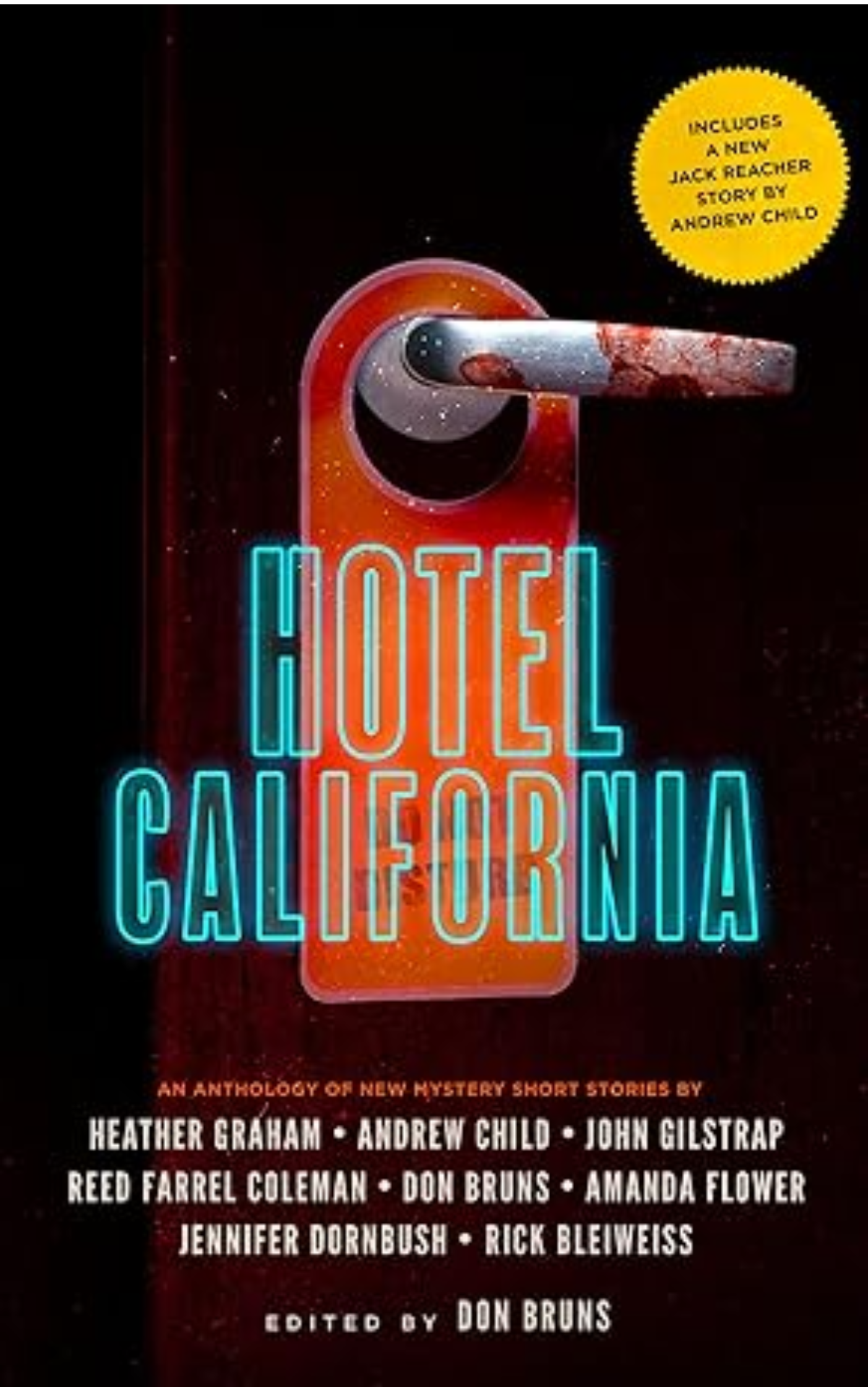
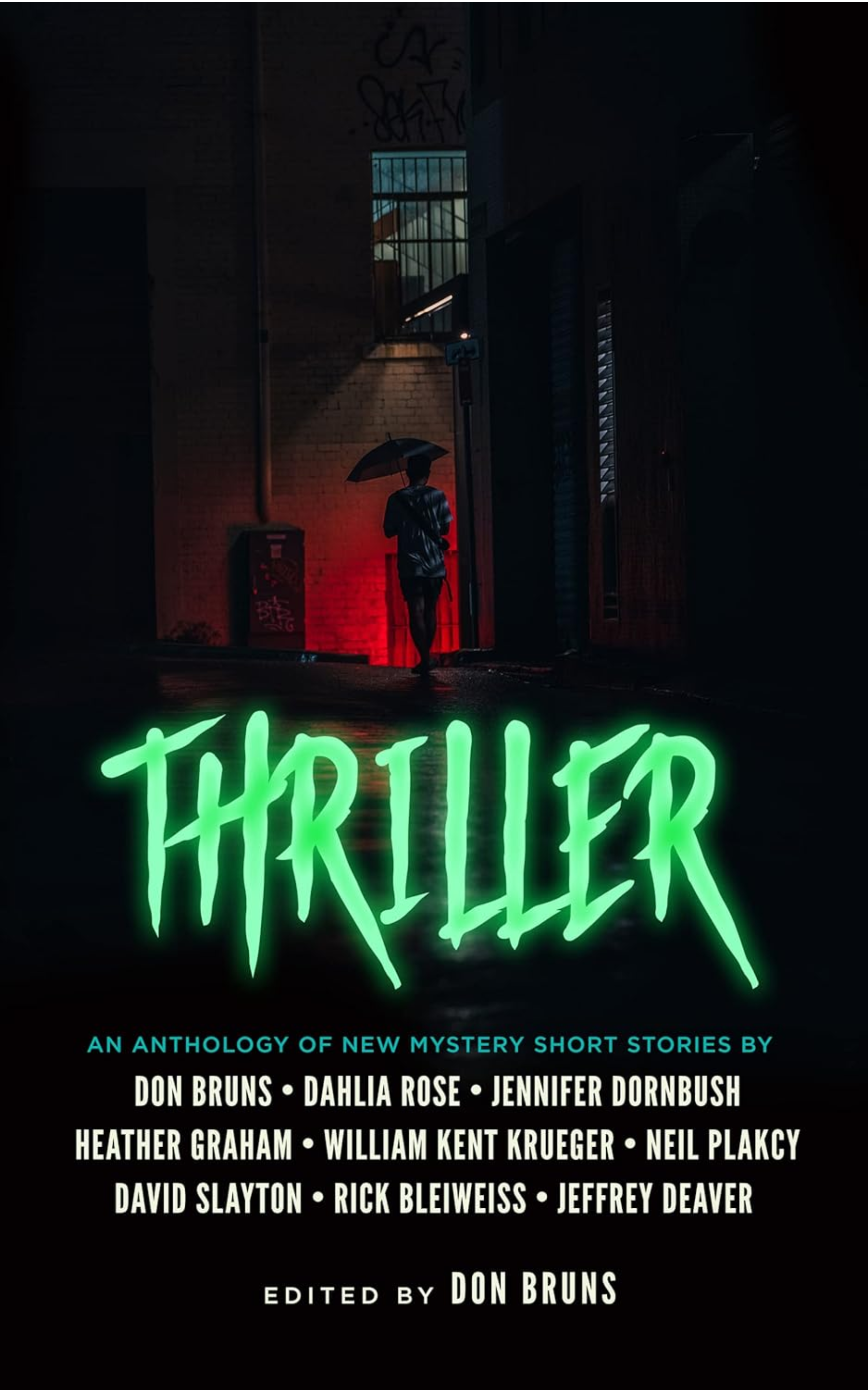
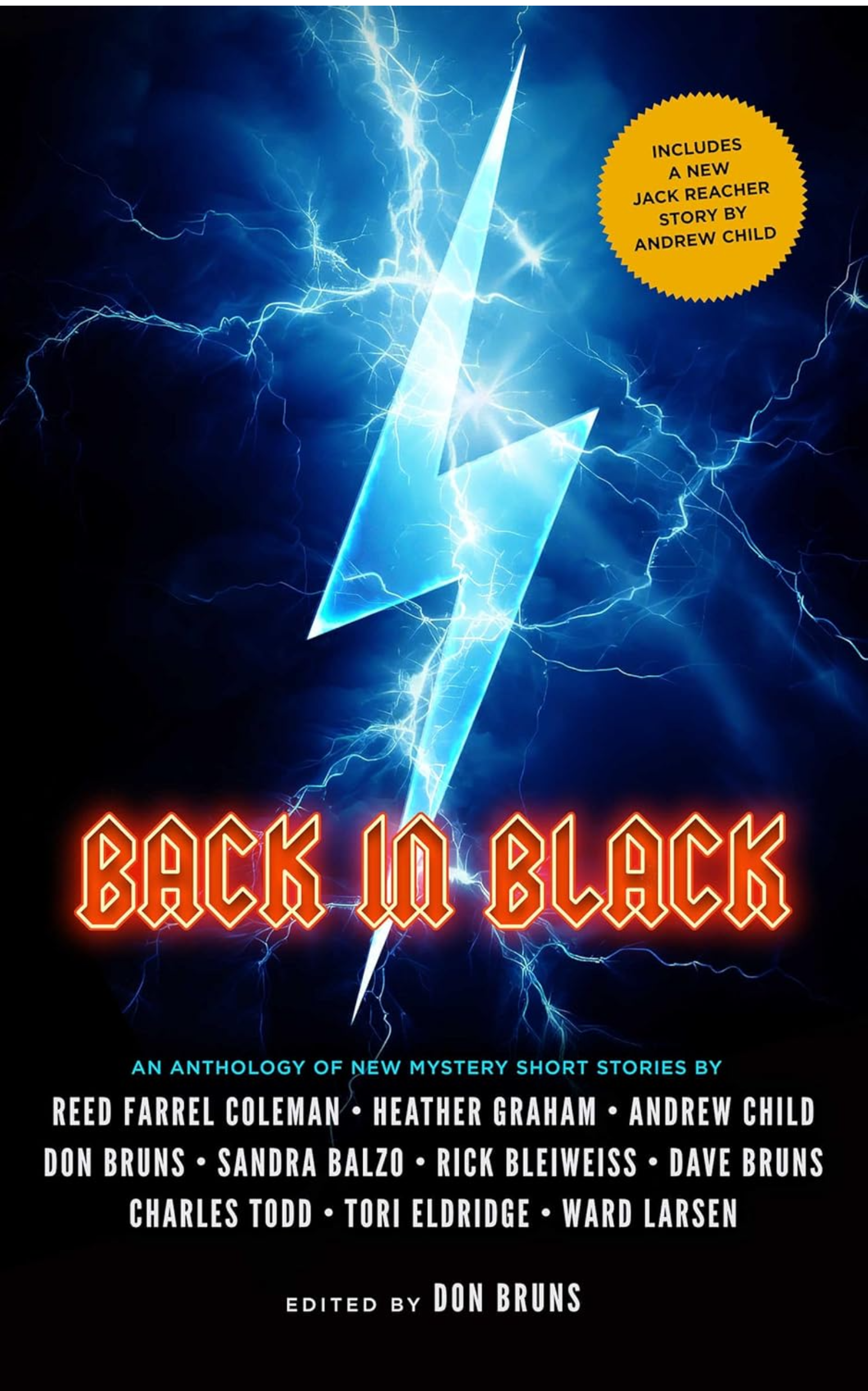
Buy other Music and Murder mystery series books on Amazon:
Header Photo: "Riot Radio" by Arielle Calderon / Flickr / CC By / Cropped
Silver Screen Video Banner Photos: pedrojperez / Morguefile; wintersixfour / Morguefile
Join Button: "Film Element" by Stockphotosforfree
Twitter Icon: "Twitter Icon" by Freepik
Facebook Icon: "Facebook Icon" by Freepik
LinkedIn Icon: "LinkedIn Icon" by Fathema Khanom / Freepik
Goodreads Icon: "Letter G Icon" by arnikahossain / Freepik
Certain images on this site appear courtesy of Amazon.com and other sponsors of Silver Screen Videos for the purpose of advertising products on those sites. Silver Screen Videos earns commissions from purchases on those sites.
© 2025 Steven R. Silver. All rights reserved.
