Silver Screen Library
The Best American Mystery and Suspense 2025 edited by Don Winslow - Review

Follow Us:





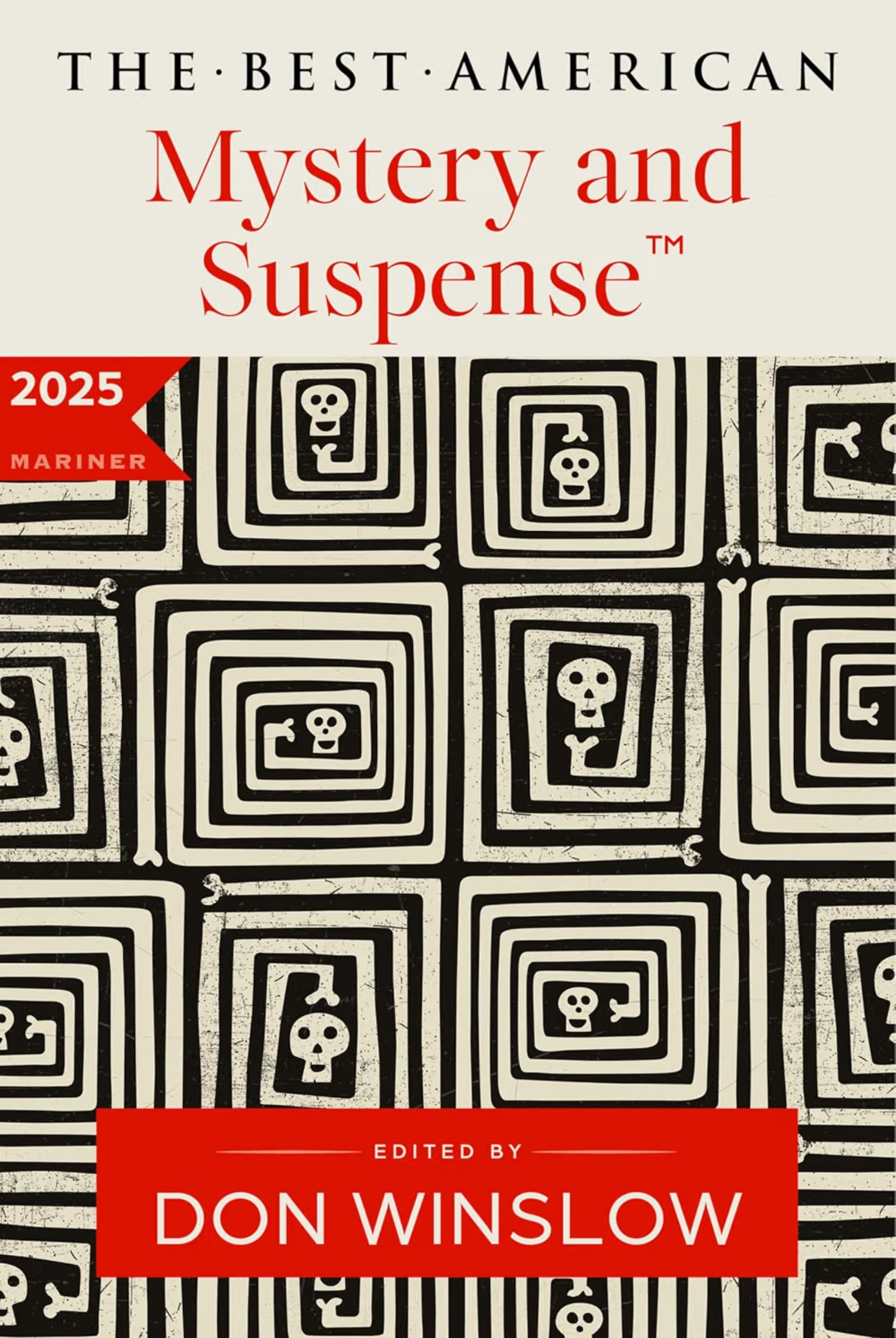
The Best American Mystery and Suspense anthologies have been around in some form since 1997. The books reflect changing public tastes in short mystery fiction: what writers want to write and what readers want to read. In the early years (and, indeed, dating back decades before then), most stories involved either investigators trying to solve crimes or the exploits of career criminals. However, in The Best American Mystery and Suspense 2025, while the anthology includes some “classic” genre tales, most stories focus on ordinary people who become involved with crime in some way. The current emphasis results in an excellent anthology.
While several anthologies purport to represent the “best” stories of a calendar year, that designation is often applied rather loosely. By contrast, The Best American Mystery and Suspense anthologies have employed the same rigorous selection criteria since 1997. The only criteria for inclusion are that a story must have been initially published in the preceding calendar year (in this case, 2024) and that the author is American or Canadian. Series editor Steph Cha reviews hundreds of stories in various collections, magazines, and anthologies each year, including
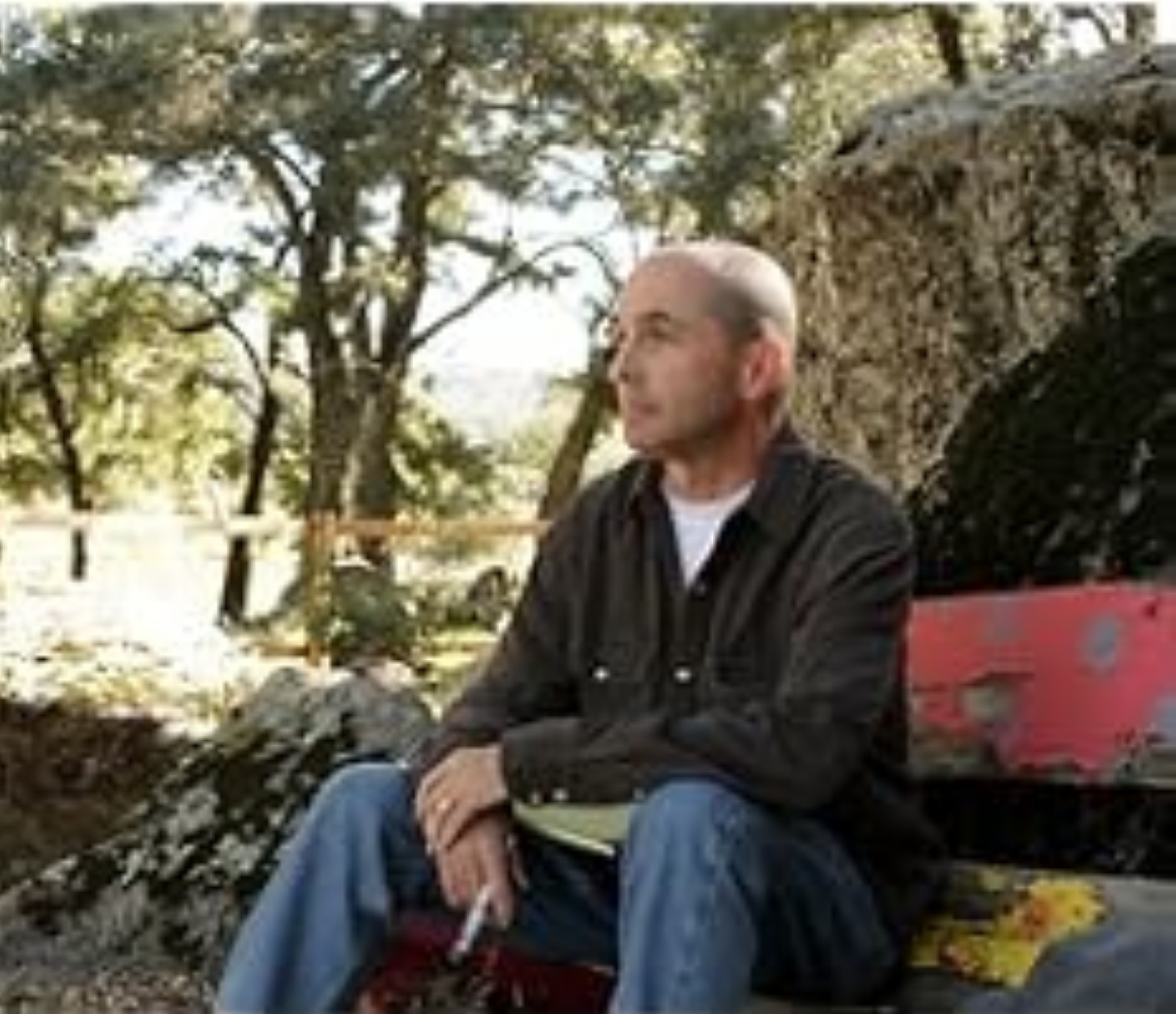
some that authors submit themselves. Several stories originally appeared in literary journals. She selects 50 finalists from that list, and the year’s guest editor (in this case, Don Winslow) chooses the 20 “best.” Cha and Winslow also contribute brief introductions to this year’s anthology. Besides the usual biographical information about the authors in a conclusory “Contributors’ Notes” section, the anthology includes a brief explanation by each author of why they wrote their piece.
The best example of the anthology’s current emphasis on ordinary people (and one of the book’s best and longest stories) is “The Bad Friend” by Caroline Kepnes. It’s the story of an unlikable, highly flawed but compelling woman named Ellen. The story follows Ellen over several decades. She is a case study of a woman who carefully and repeatedly considers her romantic options, only to make poor decisions. Over the years, Ellen becomes romantically involved with two very different men and raises a family. The author doesn’t reveal the story’s crime until the final few pages, but that revelation serves as a perfect coda to Ellen’s decision-making processes.
The oddly titled “Eat My Moose” by Erika Krouse is the best story in the anthology. (It’s also the only story I had read previously.) Two late-stage cancer patients in Alaska dub themselves Bonnie and Clyde and go to remote locations to help other late-stage patients commit suicide. Their experiences profoundly affect them, leading them to reconsider their own mortality. It’s a crime story only in the loosest sense of the word, but it’s an excellent reflection on life and death. The story also had a profound, long-lasting emotional effect on me.
Desperate people turn to small-scale robberies in two excellent stories in the anthology. In “Road to Nowhere” by James D.F. Hannah, the members of a garage rock band may get their big opportunity when they land a gig at a high-end club. The only problem was that they had already pawned most of their equipment. They decided to reclaim their equipment at gunpoint, but the robbery rapidly spiraled out of control. In “A Box Full of Soul” by Rob D. Smith, a vintage record shop is about to close when two employees discover that a local resident has a treasure trove of collectible vinyls in his home. They plan to steal the records and use the proceeds to stave off foreclosure. However, their planned burglary faces two problems. First, the homeowner is a very large, retired wrestler who wouldn’t take kindly to burglars. Second, he has a vicious dog that would take even less kindly. Any story that combines professional wrestling and vintage soul gets my vote.
Some stories in the anthology have more traditional storylines. “Neon Women” by Ann Aptaker is set in 1970s Times Square, the home of junkies, strip clubs, and sleaze. One stripper hires a private investigator with the unique name of Gussie Diamond to find a missing junkie. That assignment turns out to be very easy when the junkie turns up dead of an apparent overdose. Of course, apparent overdoses in stories like these are never what they seem. “Neon Women” is a good mystery, but it’s also an even better look at an urban environment that will seem completely foreign to many readers.
The bad guys have their day in the anthology as well. “Bad Man Down” by Victor De Anda is the funniest story in the collection. Two hoods have what seems to be a simple assignment: disposing of the dead body in their trunk. The only problem is that the boss wants the corpse at the bottom of the highly saline Salton Sea. The hoods have a tough time keeping their bad man down. Two thugs in “Grendel” by Craig Francis Coates have a different problem. Their boss has ordered them to teach a permanent lesson to a customer who roughed up a dancer at the boss’s strip club. They catch the customer fairly easily, but their prisoner claims he’s actually the customer’s brother, who was temporarily staying with him. Since killing an innocent man would bring unnecessary heat down on everyone, the thugs faced a dilemma. The story’s title refers to the continuing education course on “Beowulf” one thug is taking to better himself. That course also provides the key to determining which brother they have.
Another comic story, “Outlaw Country” by J.D. O’Brien, follows an unusual Nashville cop and an even more unusual robber. The cop is an old-school lawman, and the robber is a would-be country singer named Johnny Dee whose goal is to serve time in jail for a petty crime to build his street cred as an outlaw singer upon his release. When Johnny Dee’s planned petty crime turns deadly serious, the story escalates to a showdown between the two.
Finally, some stories in the anthology defy easy classification. The protagonist of “Jackrabbit Skin” by Ivy Pochoda is a tattoo artist named Swan, left destitute after her divorce. A customer offers her free rent at his “house” deep in the California desert. Swan thinks she can restart her business in a new location. The house turned out to be a converted shipping container. Worse, the locals don’t take kindly to newcomers and are keeping a secret about the mysterious fire at the home of Swan’s nearest neighbor. This story reminded me of an old-school Western with some surprise twists toward the end.
Overall, the stories in The Best American Mystery and Suspense 2025 were extremely enjoyable. I disliked only two; the rest ranged from good to excellent. Because of the emphasis on ordinary people caught up in crime, several were downbeat (the stories I haven’t summarized in this review tended to be more so). Still, the collection also includes several humorous tales. This anthology may reflect changing notions as to what constitutes “mystery and suspense,” but one thing hasn’t changed since 1997—the quality of a year’s best stories.
NOTE: The publisher graciously provided me with a copy of this book through NetGalley. However, the decision to review the book and the contents of this review are entirely my own.
In this clip, editor Don Winslow discusses a previous book with David Baldacci at the Politics and Prose bookstore:
Read other reviews of The Best American Mystery and Suspense 2025:
Don Winslow is the author of 21 acclaimed, award-winning international bestsellers, including the New York Times bestsellers The Force and The Border, the #1 international bestseller The Cartel, The Power of the Dog, Savages, and The Winter of Frankie Machine. Savages was made into a feature film by three-time Oscar-winning writer-director Oliver Stone. His novella Crime 101 has also been made into a motion picture. His works have been finalists for the Edgar, Shamus, and Gold Dagger Awards.
Steph Cha is the author of Your House Will Pay, which won the Los Angeles Times Book Prize and the California Book Award, and the Juniper Song crime trilogy. She’s also a critic whose work has appeared in the Los Angeles Times, USA Today, and the Los Angeles Review of Books, where she served as noir editor. Cha is the current series editor of the Best American Mystery & Suspense anthology.
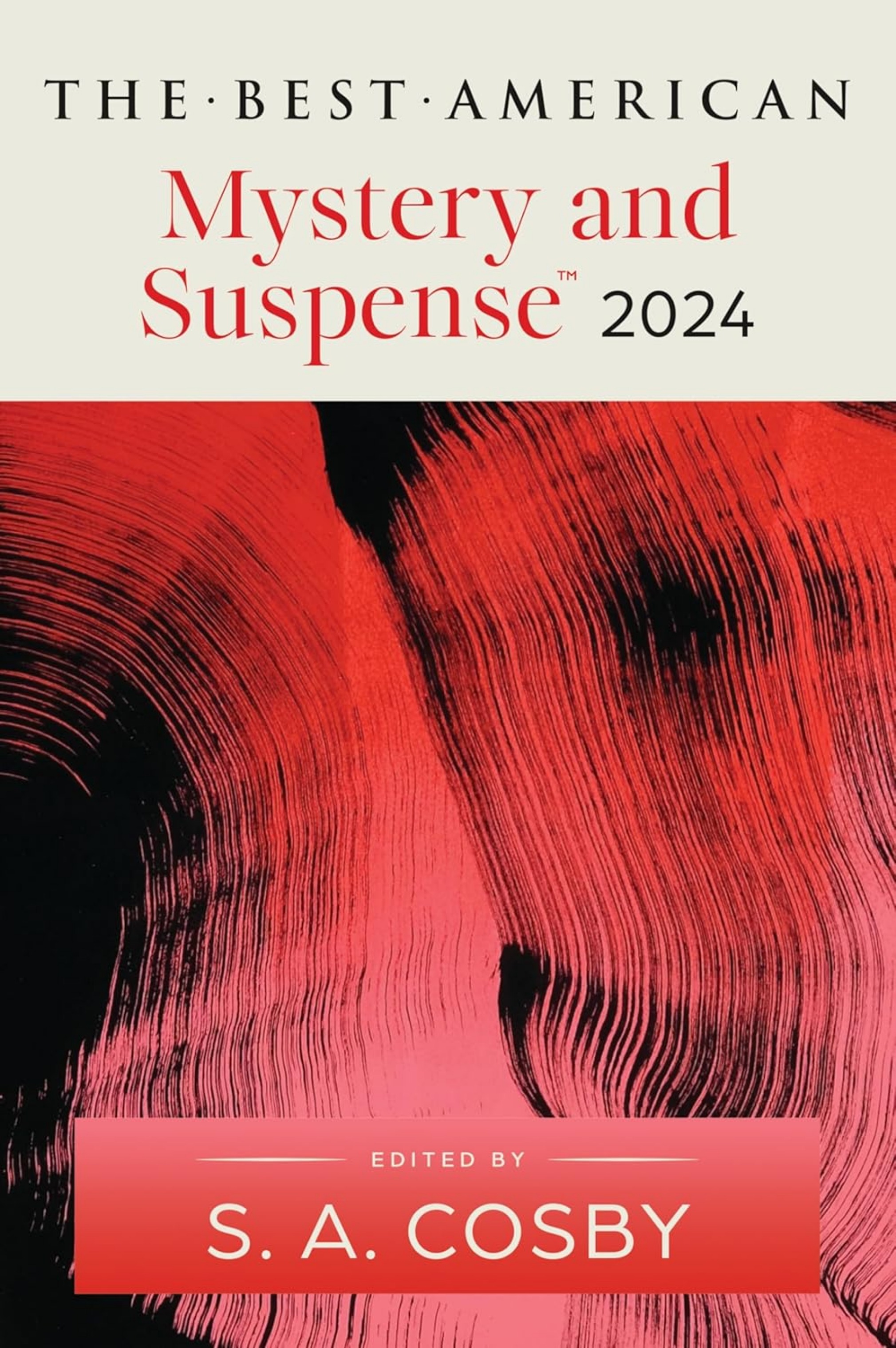
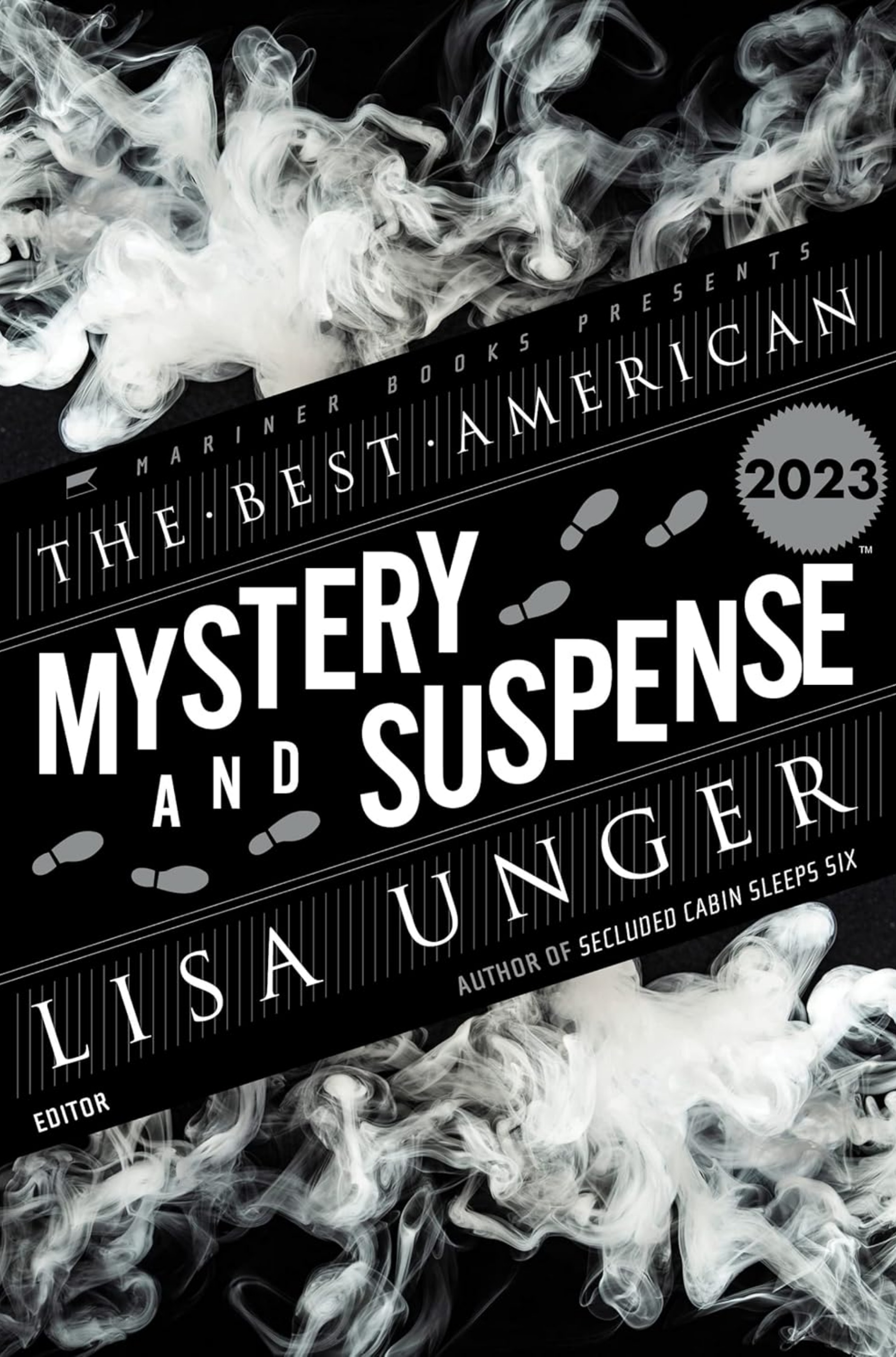
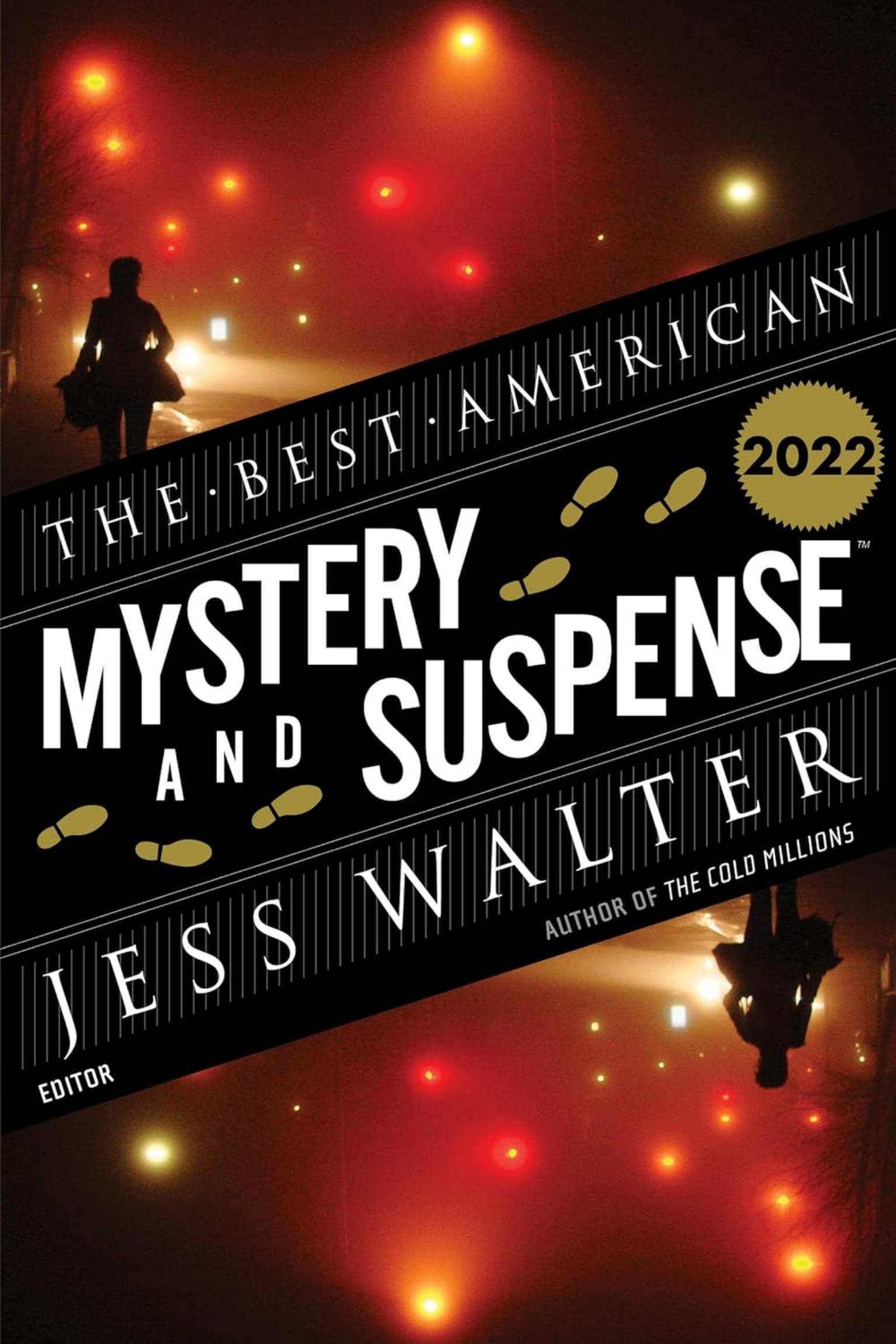
Buy other editions of The Best American Mystery and Suspense on Amazon:
Header Photo: "Riot Radio" by Arielle Calderon / Flickr / CC By / Cropped
Silver Screen Video Banner Photos: pedrojperez / Morguefile; wintersixfour / Morguefile
Join Button: "Film Element" by Stockphotosforfree
Twitter Icon: "Twitter Icon" by Freepik
Facebook Icon: "Facebook Icon" by Freepik
LinkedIn Icon: "LinkedIn Icon" by Fathema Khanom / Freepik
Goodreads Icon: "Letter G Icon" by arnikahossain / Freepik
Certain images on this site appear courtesy of Amazon.com and other sponsors of Silver Screen Videos for the purpose of advertising products on those sites. Silver Screen Videos earns commissions from purchases on those sites.
© 2026 Steven R. Silver. All rights reserved.
