Silver Screen Library
The Best Mystery Stories of the Year 2025 edited by John Grisham - Review

Follow Us:






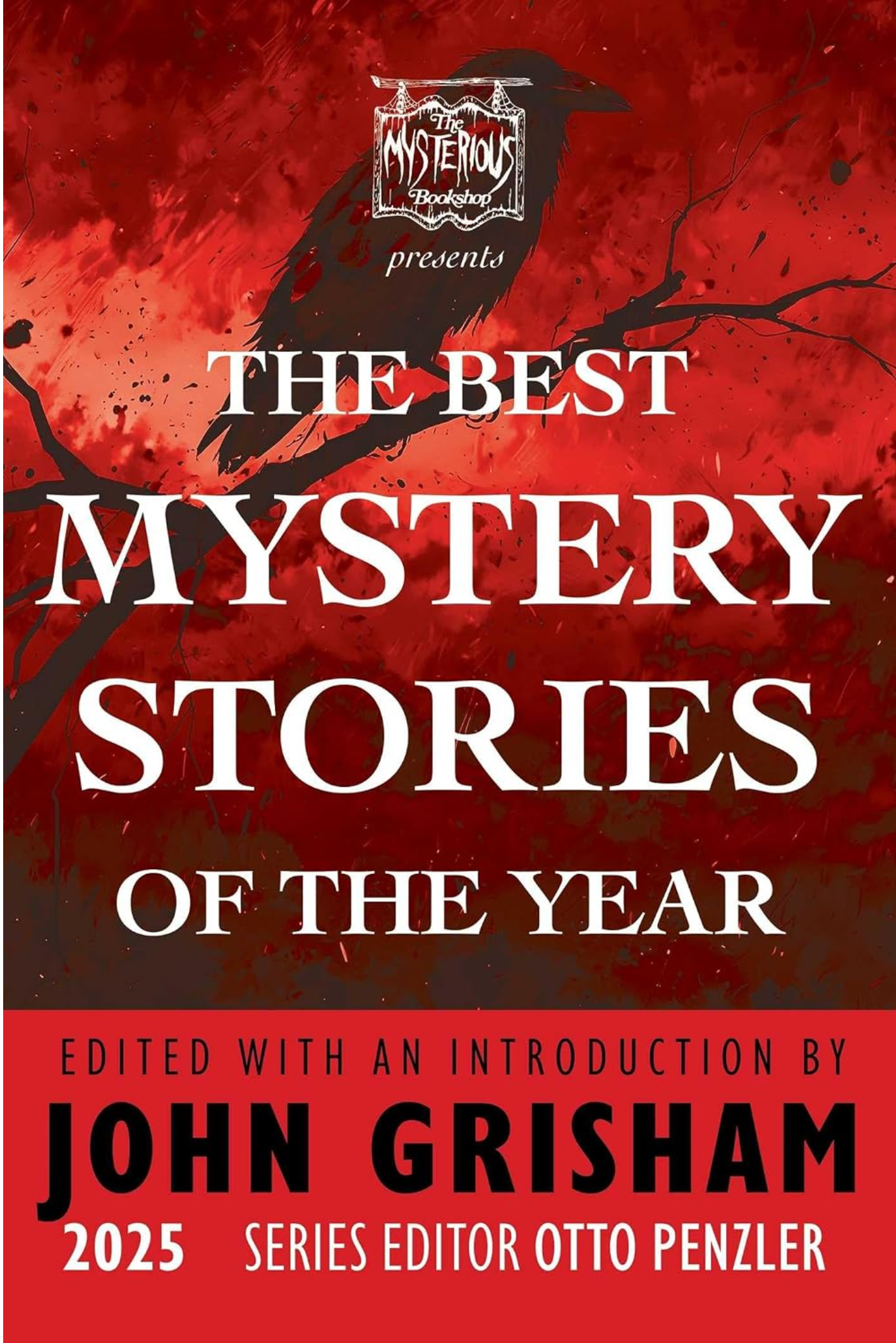
Anytime the publisher of a story collection labels the work as the “Best,” they’ve already set the book up for failure. Readers tend to be somewhat forgiving of an occasional mediocre or poor story in collections by a particular author or about a specific theme, but they expect premium quality from every single work in a “Best” collection. Judged by that impossibly high standard, The Best Mystery Stories of the Year 2025 falls short, as it must. However, the 20 stories in the collection are very good overall, and genre fans will enjoy making their way through the book, a story or two at a time.
The anthology’s full title is The Mysterious Bookshop Presents the Best Mystery Stories of the Year 2025. This year’s edition is the fifth annual collection under the current format. (The Bookshop published a dozen previous annual collections under a similar title.) Otto Penzler, founder of the Mysterious Bookshop, explains his methodology in a detailed foreword. The only requirements for inclusion, other than overall high quality, are that a story must be a mystery that had its first English-language publication in 2024. The word “mystery” might more accurately be termed crime fiction, which Penzler describes as “any work of fiction in which a crime, or the
threat of a crime is entral to the theme of the plot.” Throughout the year 2024, Penzler and his staff scrutinized hundreds of stories before the finalists were provided to this year’s editor, John Grisham. Penzler and Grisham made the ultimate selection of the book’s 20 stories. (Grisham also contributes a brief introduction about his own career.)
The stories in the anthology appear in alphabetical order by author, so the book lacks thematic continuity. In a way, that makes reading the book more entertaining because, like Forrest Gump’s box of chocolates, you never know what you’ll get next. Each story is preceded by a brief bio of the author, which was educational for me since I was unfamiliar with all of them. After each story, the author added a brief explanation of how the story originated. Many of them were based on the author’s personal experiences, and this material was often quite interesting. As a bonus, the book contains an extra classic story, Jacques Futrelle’s “The Problem of Cell 13.”
My favorite story was “Same Old Song” by Billie Livingston. The son of an old-time grifter learns the ropes from his father, but his efforts to be a legitimate businessman continually fail because he can’t avoid getting involved in shady schemes. As the story begins, the father is confined to a nursing home with possible dementia, and a former associate he double-crossed is now looking for him to collect what’s owed. The son suspects his father’s dementia is feigned, but the trouble the older man has gotten himself into is genuine.
Although “Same Old Song” is my favorite, the best story in the anthology in terms of overall literary quality is the oddly titled “Eat My Moose” by Erika Krouse. It’s a crime story only in the loosest sense of the word, but it’s an excellent reflection on life and death. Two late-stage cancer patients in Alaska dub themselves Bonnie and Clyde and go to remote locations to help other late-stage patients commit suicide. The experiences have a profound effect on them, leading them to reconsider their own mortality. The story also had a profound, long-lasting emotional effect on me.
Other stories in the anthology are lighter in tone. “Dream Stuff” by Lou Manfredo is a paean to old noirish PI stories, with a reason. A former ad executive decides to become such an investigator, and his new client is a classic femme fatale who wants the detective to scare off a now-bothersome boyfriend. He discovers that someone else has scared the boyfriend off permanently. “Run and Gun” by Joseph S. Walker is the story of two criminals, one a ruthless fixer and the other a crooked cop, who vie for possession of a highly incriminating flash drive. It’s a procedural told from the perspective of two unlikable but competent antagonists. “The Art of Disappearance” by April Kelly follows the typical mystery magazine formula of the twist ending, but with a flourish. A man who helps battered women assume new identities to avoid abusive husbands and boyfriends also takes on gangsters occasionally as clients. Readers will see the end coming well before the client in the story does, but waiting for the twist is entertaining.
In an odd coincidence, three stories are set at a staple location for crime fiction: the out-of-the-way roadside motel. The best of these is “Only a Story” by Kai Lovelace. A nerdy 14-year-old who’s fascinated by pulp crime stories works as the night clerk at his grandfather’s motel in the 1950s. A man who’s clearly a robber checks in, and the boy thinks he’s met his hero, only to learn that reality isn’t what it seems in the pulps. The proprietor in “Effie’s Oasis” by Casey Stegman is much older, pushing 80, but faces a similar situation when some ruthless robbers check into her motel with a young child in tow. Finally, the motel in “The Secret Menu” by Sean McCluskey serves as the setting for a brief rendezvous between a wealthy businessman and his female “friend.” A private investigator spots them and tries to turn the affair to his advantage, but things don’t work out as everyone planned.
Best Mystery Stories didn’t have any outright duds, but some stories were merely passable and not what I would consider anything resembling the best stories of a calendar year. The most mediocre tale in the anthology is “Her Dangerously Clever Hands” by Karen Odden. It’s a historical piece, set in England in 1879, and features a gang of female pickpockets of the era called the Wrens. I give the author credit for historical research that introduces readers to a potentially fascinating look at the underside of Victorian life, but she cannot turn the setting into a compelling story.
I really enjoyed The Best Mystery Stories of the Year 2025. Most of the stories are quite enjoyable. The best ones, like “Eat My Moose” and “Only a Story,” are among the best stories I’ve read in a long time. All the stories are at least passable, and the book allows for days of enjoyment for genre fans, if they limit themselves to one or two tales a day. These may not be the best stories of the year (I’m not familiar with the potential competition), but they’re highly worthwhile for genre fans or followers of the Mysterious Bookstore.
NOTE: The publisher graciously provided me with a copy of this book through NetGalley. However, the decision to review the book and the contents of this review are entirely my own.
In this clip, Otto Penzler, owner of the Mysterious Bookshop discusses mysteries with Alex Leonard on the Elmore Leonard podcast:
Read other reviews of The Best Mystery Stories of the Year 2025:
John Grisham is the author of more than fifty consecutive #1 bestsellers, which have been translated into nearly fifty languages. While a practicing criminal attorney in Mississippi and member of the Mississippi state legislature, he wrote his first novel, A Time to Kill, based on a case he witnessed.That book was an initial commercial failure, but his second novel, The Firm, sold over seven million copies and spent 47 weeks on the bestseller list. His subsequent legal thrillers all became best sellers as well, including The Pelican Brief, The Client, The Rainmaker, and The Runaway Jury, all of which were made into successful movies. Grisham’s recent books include The Boys from Biloxi, The Judge's List, and his third Jake Brigance novel, A Time for Mercy, which is being developed by HBO as a limited series.
Grisham is a two-time winner of the Harper Lee Prize for Legal Fiction, a winner of the Galaxy British Lifetime Achievement Award, and was honored with the Library of Congress Creative Achievement Award for Fiction.
Buy other editions of The Best Mystery Stories of the Year on Amazon:
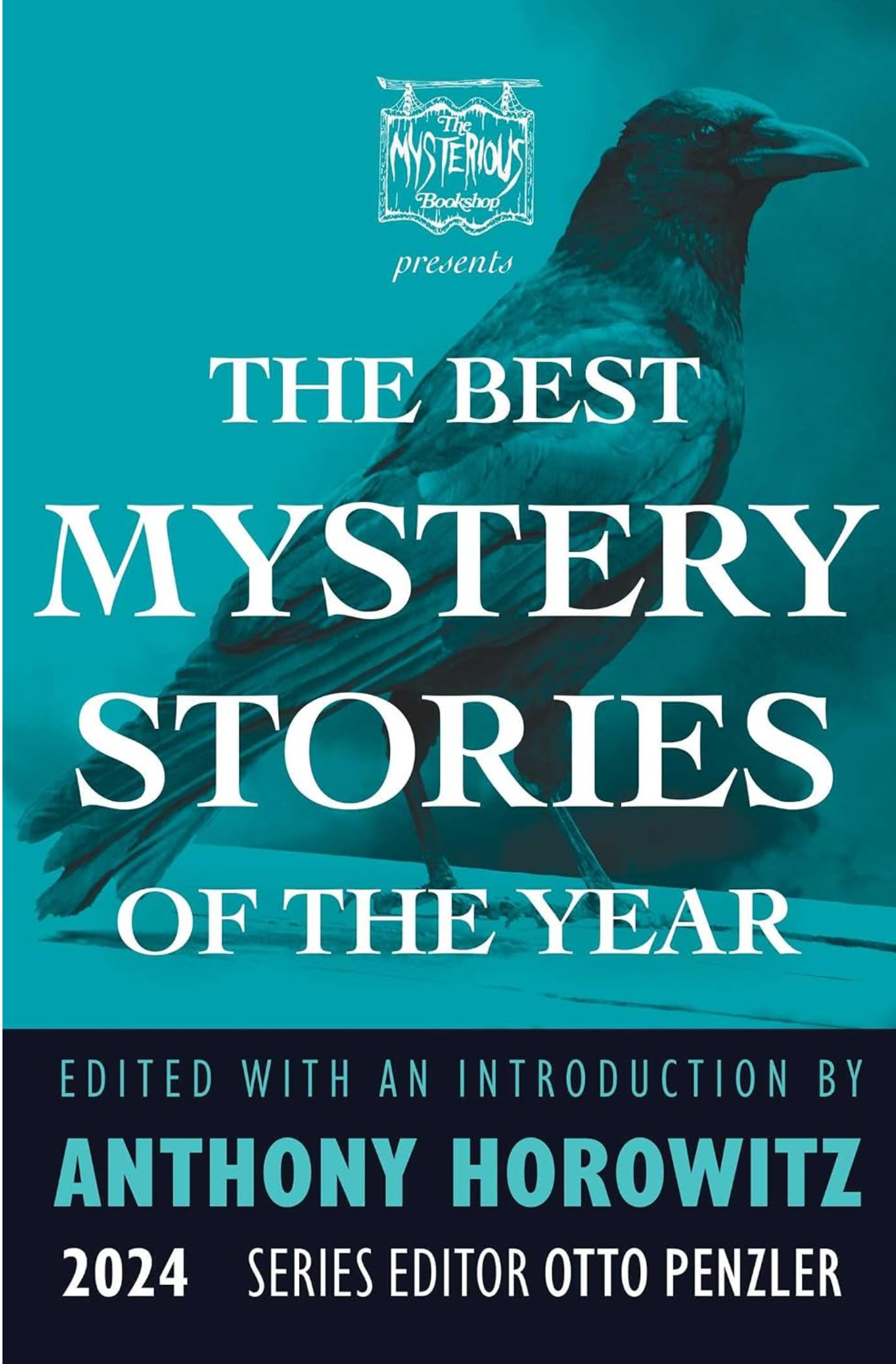
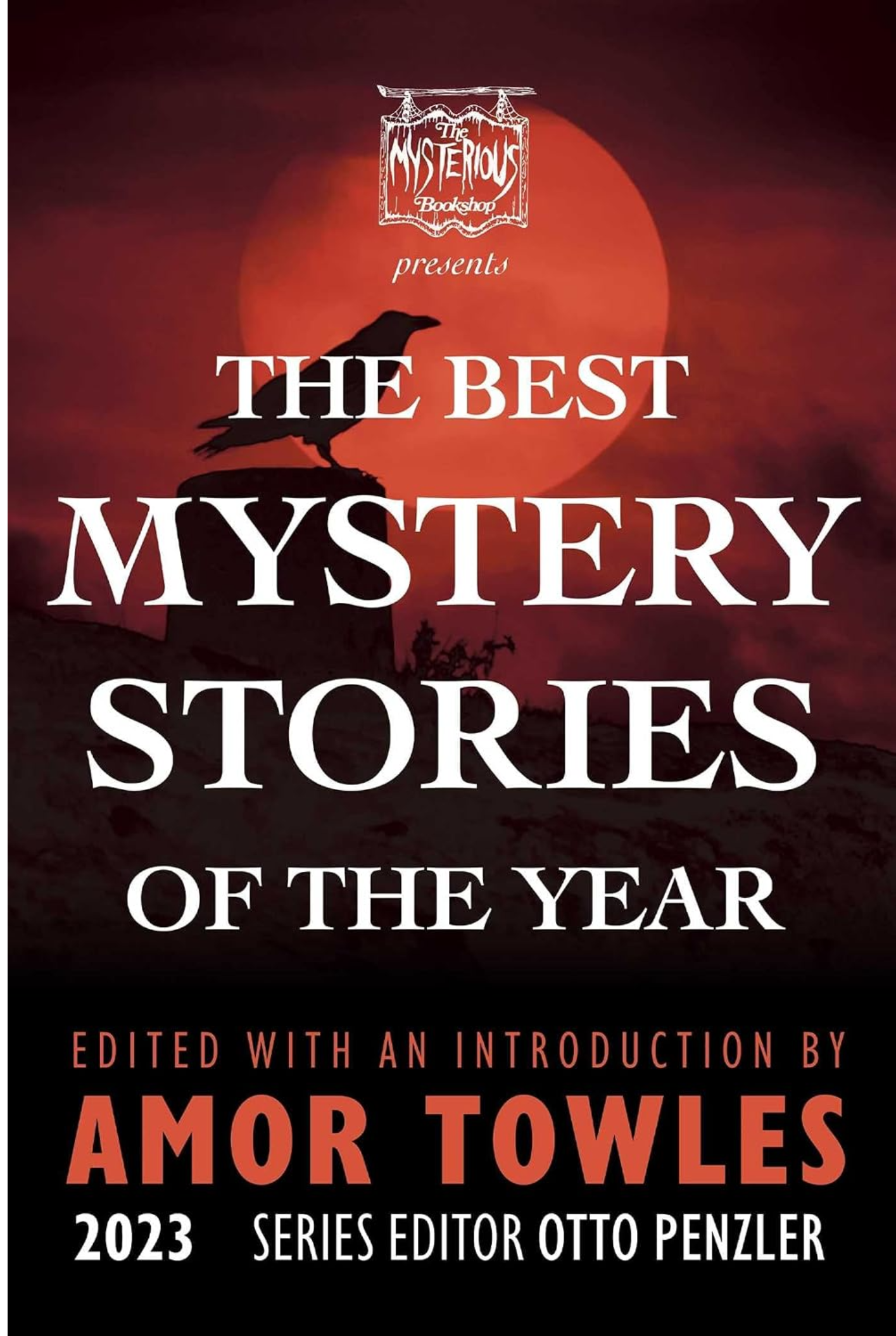
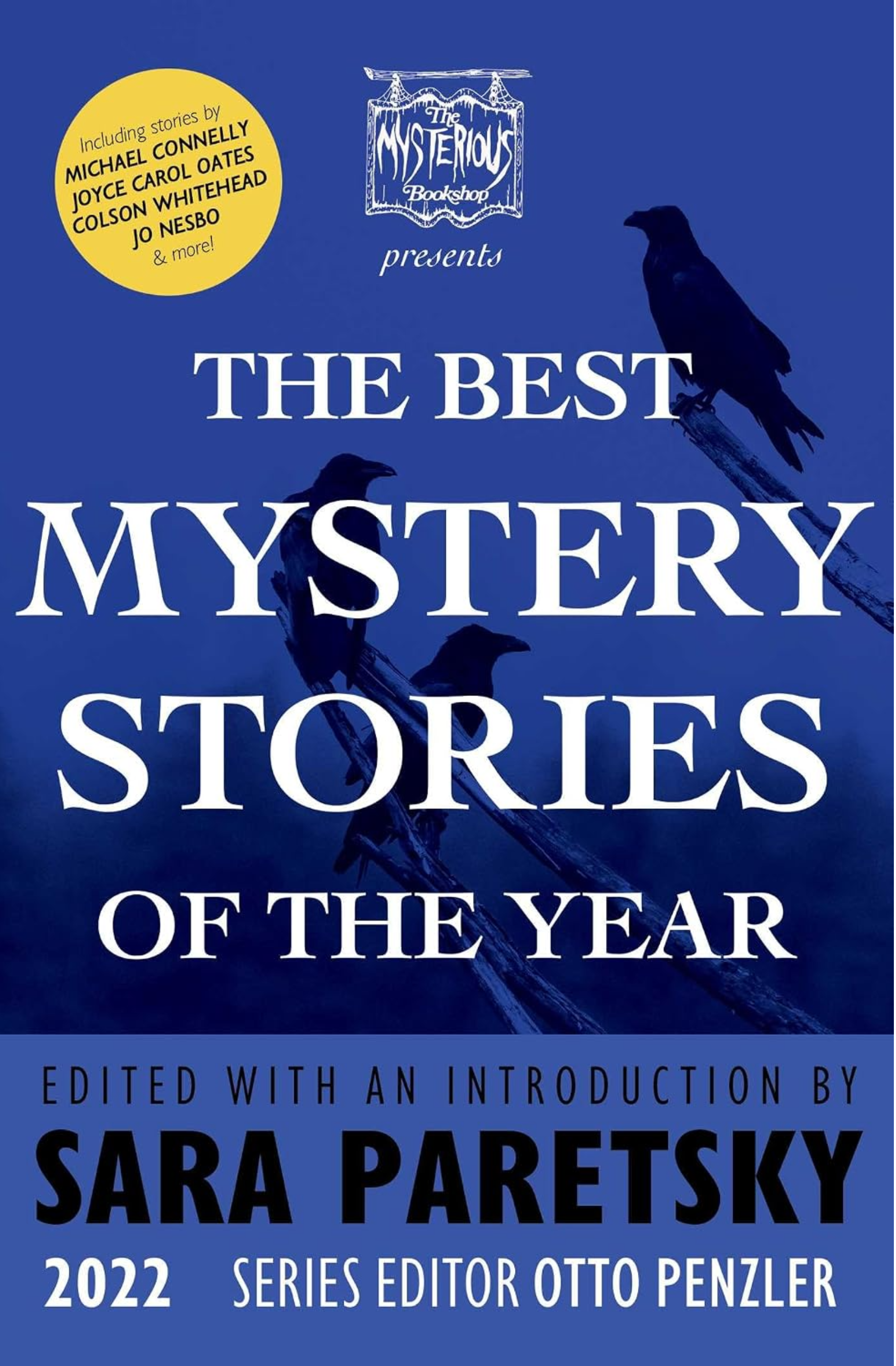
Header Photo: "Riot Radio" by Arielle Calderon / Flickr / CC By / Cropped
Silver Screen Video Banner Photos: pedrojperez / Morguefile; wintersixfour / Morguefile
Join Button: "Film Element" by Stockphotosforfree
Twitter Icon: "Twitter Icon" by Freepik
Facebook Icon: "Facebook Icon" by Freepik
LinkedIn Icon: "LinkedIn Icon" by Fathema Khanom / Freepik
Goodreads Icon: "Letter G Icon" by arnikahossain / Freepik
Certain images on this site appear courtesy of Amazon.com and other sponsors of Silver Screen Videos for the purpose of advertising products on those sites. Silver Screen Videos earns commissions from purchases on those sites.
© 2026 Steven R. Silver. All rights reserved.
