Silver Screen Library
Deadly Dolls edited by Elizabeth Dearnley - Review

Follow Us:






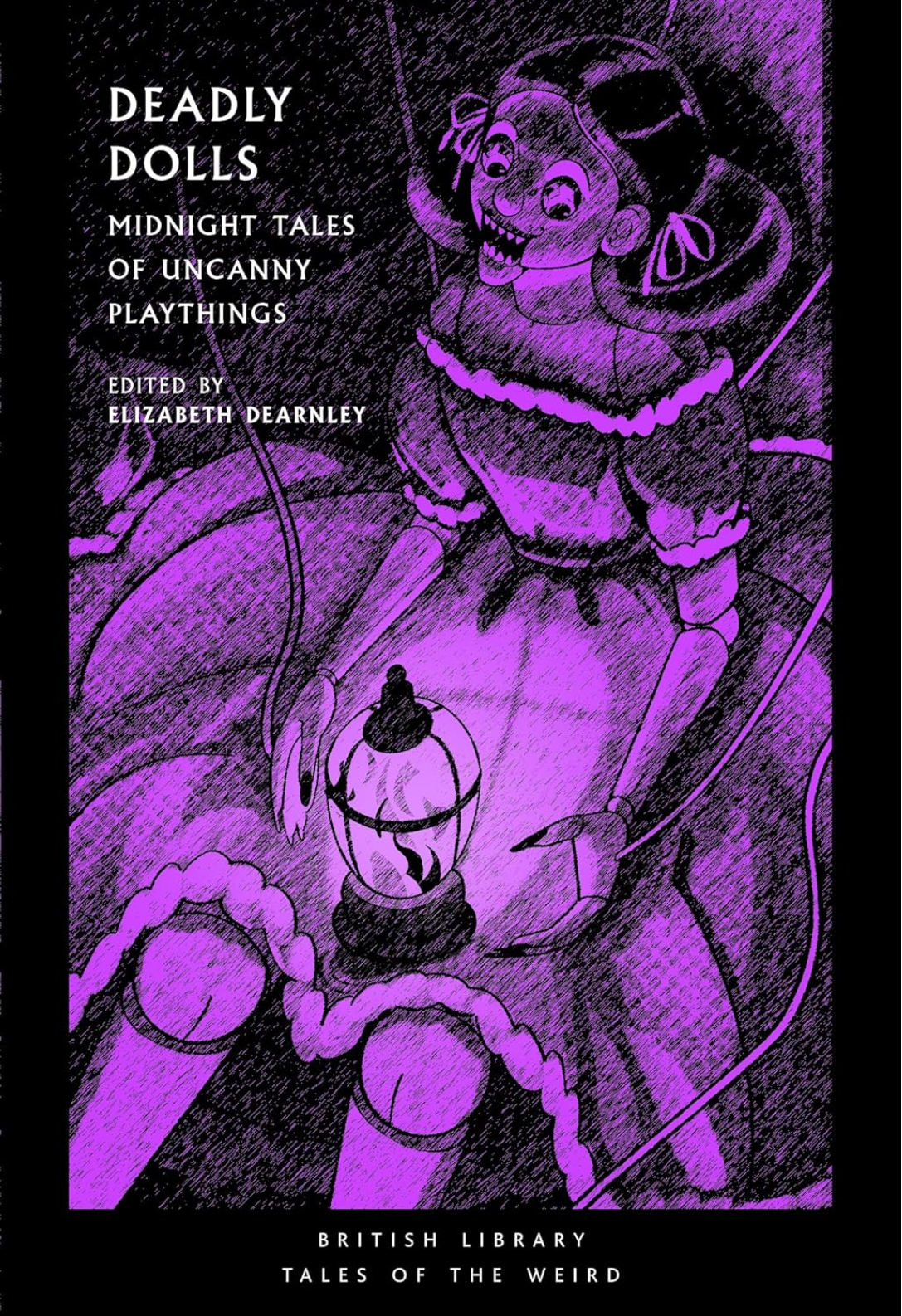
Creepy, spooky, or possessed dolls have been a horror staple for over two centuries. Ironically, however, movies and television have provided the most effective and best-known examples of the subgenre. Chucky, Megan, and Annabelle are among the popular examples. Even the best horror fiction of recent years, like Richard Matheson’s “Prey” and William Goldman’s Magic, is better remembered for its filmed versions than the literary originals. Elizabeth Dearnley has assembled 14 doll horror stories in her anthology, Deadly Dolls, part of the British Library’s Tales of the Weird collection. The collection includes some creepy stories from unlikely authors. Unfortunately, it also contains a fair number of duds.
Elizabeth Dearnley is a noted scholar rather than strictly a horror fan or author, and she approached “Deadly Dolls” from that perspective. As its editor, she organized the book in sections of two or three stories each on topics like dollhouses and ventriloquist’s dummies. The anthology includes works by notables such as Agatha Christie, Daphne du Maurier, and Jerome K. Jerome, along with a story by science fiction great Brian Aldiss. Several stories are in the public domain, while one
was written as recently as 2022. The editor begins the book with a dense introduction about the history of dolls as horror objects in literature, complete with several footnotes. She then explains why she chose each story in the anthology and later includes a full-page biography of each author. This additional material is quite dry and may be too detailed for readers.
The best stories in Deadly Dolls are those whose authors are familiar with the requirements of genre short fiction. Brian Aldiss’s “Supertoys Last All Summer Long” from 1969 was later loosely adapted into Steven Spielberg’s A.I.: Artificial Intelligence. As the movie title implies, the story concerns a little boy’s A.I.-powered teddy bear, the latest in a series of increasingly sophisticated synthetic life forms developed by one company. (I especially liked the genetically altered parasitic tapeworm that gets implanted in obese people’s stomachs to help them lose weight by consuming excess food.) Anyone who has seen Spielberg’s movie will guess the twist ending, but the story is more relevant today than when Aldiss wrote it nearly 60 years ago.
Agatha Christie’s “The Dressmaker’s Doll” will come as a surprise to those who only associate Christie with complicated whodunits. However, Christie’s stories worked because she understood her characters and made them and their settings feel real. Here, a woman has set up part of her house as a dressmaking shop where she and her assistant work. One day, a doll somehow appears in the shop, although neither they nor their servants know the doll’s origin. Subsequently, the doll moves around the room when it’s unoccupied, freaking out the women. This story is a great mood piece with a creepy ending.
The theme of a dummy or marionette coming to life and battling its puppet master is a familiar one in doll horror, and two of the best stories in Deadly Dolls explore it. Frederick E. Smith’s 1955 story, “The Devil Doll,” follows this theme’s best-known storyline. A man invites a ventriloquist to perform at his fiancée’s birthday party despite rumors that the ventriloquist’s dummy possesses the soul of the ventriloquist’s late partner. It’s not what happens (which is pretty predictable), but how it happens that makes this story creepy. In Angela Carter’s 1974 story, “The Loves of Lady Purple,” the titular character is a marionette in a carnival show. The puppet master performs a full-length drama featuring Lady Purple as a femme fatale who seduces and discards men. The description of Lady Purple’s act is more fascinating than what happens after the final curtain goes down. Let’s say I would have paid good money to see that act.
Although the best stories in Deadly Dolls are quite good, others dissipate good storylines by going on too long. The authors’ sidelines and digressions are well written and somewhat entertaining, but they detract from what is supposed to be a horror story. An example is Daphne du Maurier’s 1937 story, “The Doll.” (Many of the stories in this collection have virtually identical titles.) The author tells this story as a lengthy entry in a personal journal found after the writer mysteriously disappeared. In the journal, he tells of his romance with a woman that gets rudely interrupted by the presence of an evil-looking doll. Unfortunately, the author takes 20 pages to describe about five pages worth of actual story.
The worst stories in Deadly Dolls are the oldest and most recent. The title of “The Patchwork Dolls,” written in 2022 by Ysabelle Cheung, refers to the narrator and some of her friends, who are poor yet attractive women who sell various parts of their faces for the corresponding features of wealthy, vain individuals. (This concept is like the storyline of the Nicolas Cage/John Travolta movie “Face Off.”) The idea is interesting, even though the story has no actual dolls, but the author does almost nothing with it. The oldest story in the collection is E. T. A. Hoffmann’s “The Sandman,” written in 1817. A disturbed young man is smitten with a woman he meets at a dance. She’s an excellent dancer, but her appearance seems mechanical. The story has about 30 pages of confusing padding (some of it told in letters from various individuals to each other) before the protagonist ever meets his dancing partner. “The Sandman” is the basis of the ballet “Coppelia.” It is much more effective as a comic ballet than as a humorless melodrama.
Deadly Dolls has five excellent stories, three good stories, three average stories, and three duds. Considering the wealth of material the editor had to work with (several of the stories are in the public domain), that’s a disappointing percentage of quality content. The introductory material is also more scholarly and less entertaining than I like. I realize many readers will be more enamored of either the authors’ pedigrees or the general subject matter than I was. Viewed as a whole, however, I will give the anthology a three-star rating and marginal recommendation. The book isn’t deadly, but it’s no beautiful doll of a collection either.
NOTE: The publisher graciously provided me with a copy of this book through NetGalley. However, the decision to review the book and the contents of this review are entirely my own.
In this clip, editor Elizabeth Dearnley discusses a previous book at a meeting of the London Fortean Society at Conway Hall:
Read other reviews of Deadly Dolls:
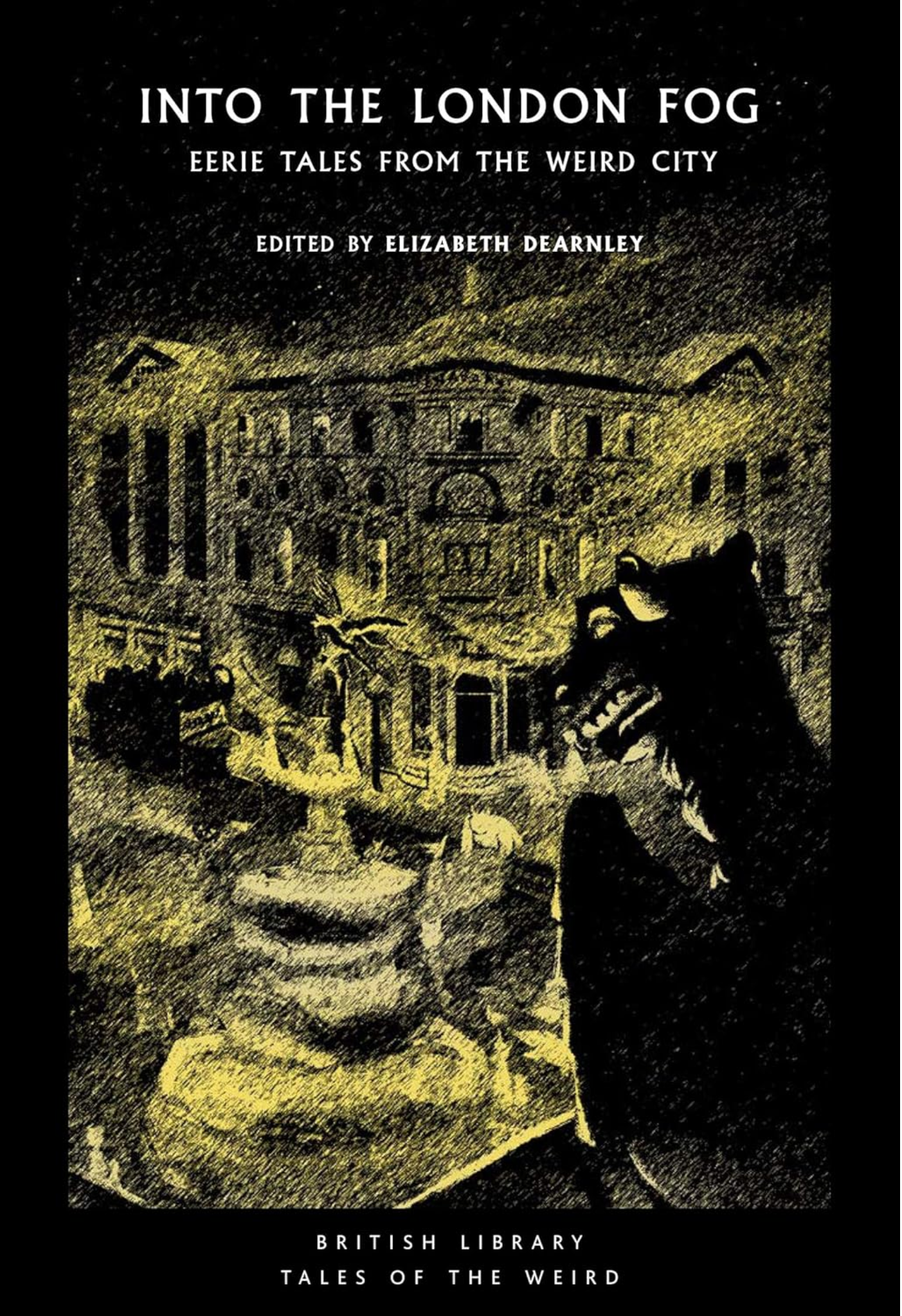
Elizabeth Dearnley is a folklorist, artist, and Lecturer in Creative Writing at Edinburgh Napier University. Her work explores eerie landscapes, fairy tales, and folk horror, and she has curated several projects delving into these fields, including an immersive 1940s Red Riding Hood retelling Big Teeth and the Freud Museum London's uncanny restaging of E. T. A. Hoffmann's "The Sandman." She has previously taught at the Freud Museum on topics including dolls, horror movies, and childhood memories. Her first book, Translators and Their Prologues in Medieval England, was published in 2016. Dearnley has edited two previous British Library Tales of the Weird collections, Into the London Fog (2020) and Fearsome Fairies (2021). Her writing has appeared in the Times Literary Supplement, the Guardian, the White Review, and elsewhere.
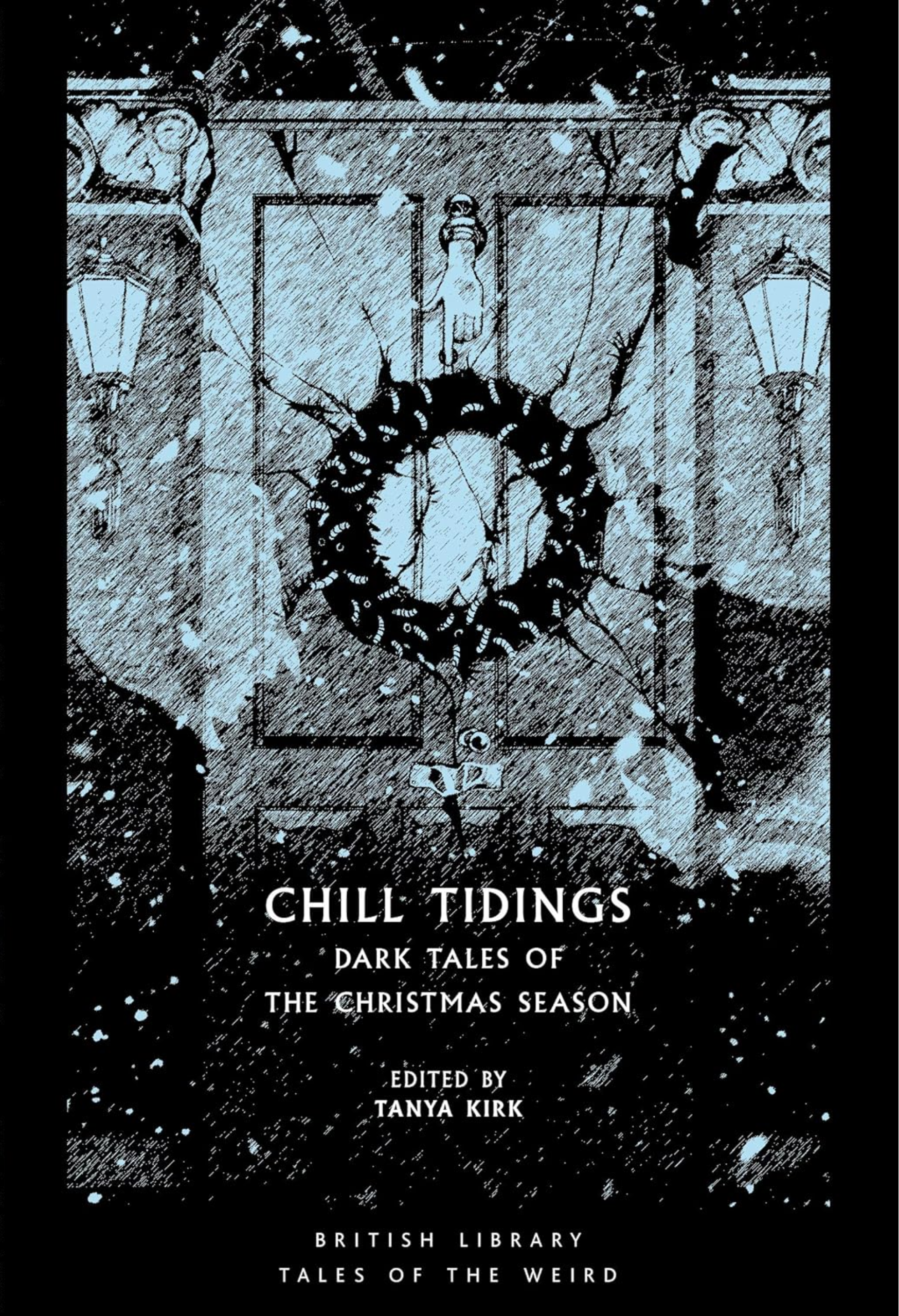
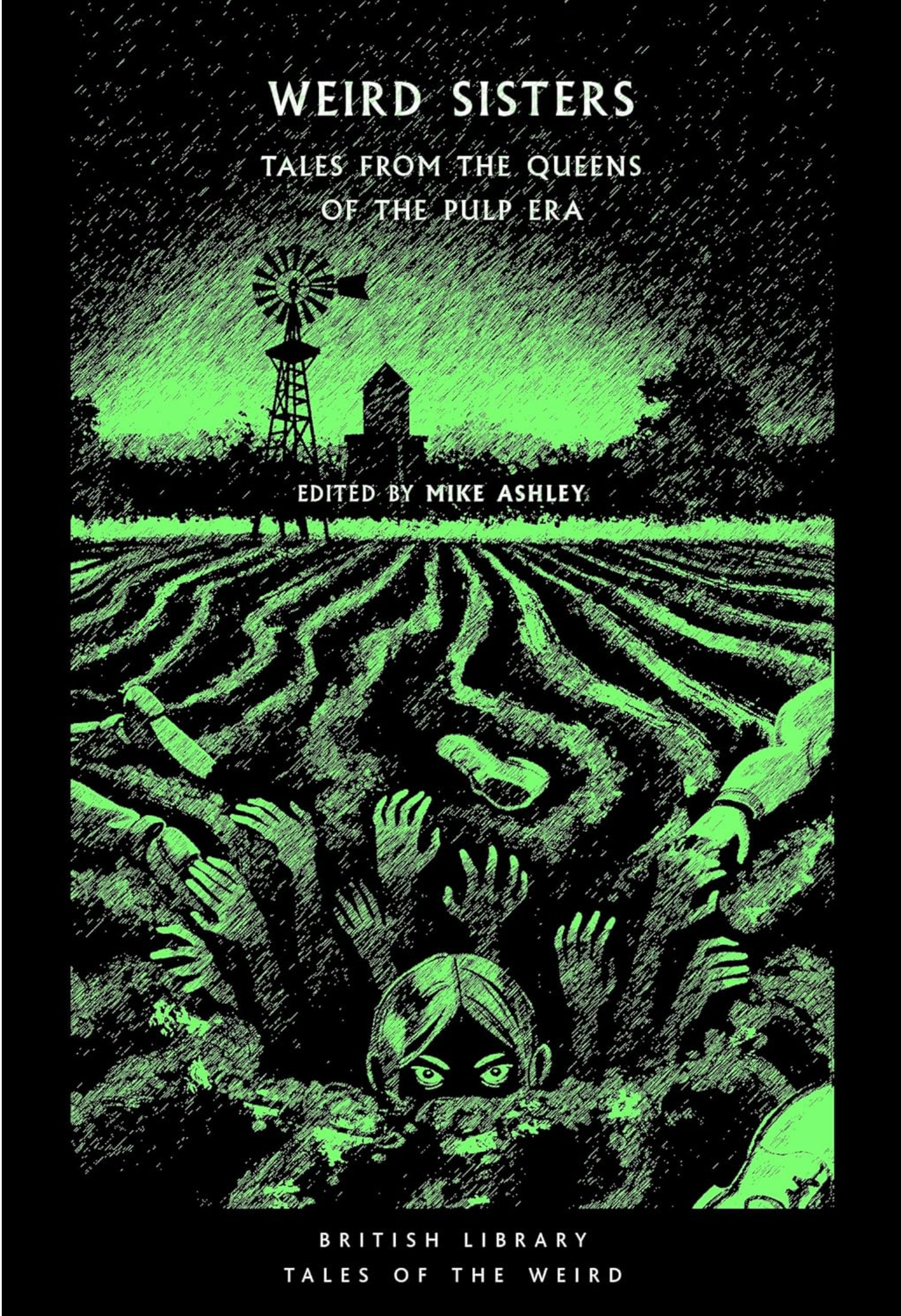
Buy other British Library Tales of the Weird books on Amazon:
Header Photo: "Riot Radio" by Arielle Calderon / Flickr / CC By / Cropped
Silver Screen Video Banner Photos: pedrojperez / Morguefile; wintersixfour / Morguefile
Join Button: "Film Element" by Stockphotosforfree
Twitter Icon: "Twitter Icon" by Freepik
Facebook Icon: "Facebook Icon" by Freepik
LinkedIn Icon: "LinkedIn Icon" by Fathema Khanom / Freepik
Goodreads Icon: "Letter G Icon" by arnikahossain / Freepik
Certain images on this site appear courtesy of Amazon.com and other sponsors of Silver Screen Videos for the purpose of advertising products on those sites. Silver Screen Videos earns commissions from purchases on those sites.
© 2025 Steven R. Silver. All rights reserved.
