Silver Screen Library
End Game by Jeffrey Archer - Review

Follow Us:






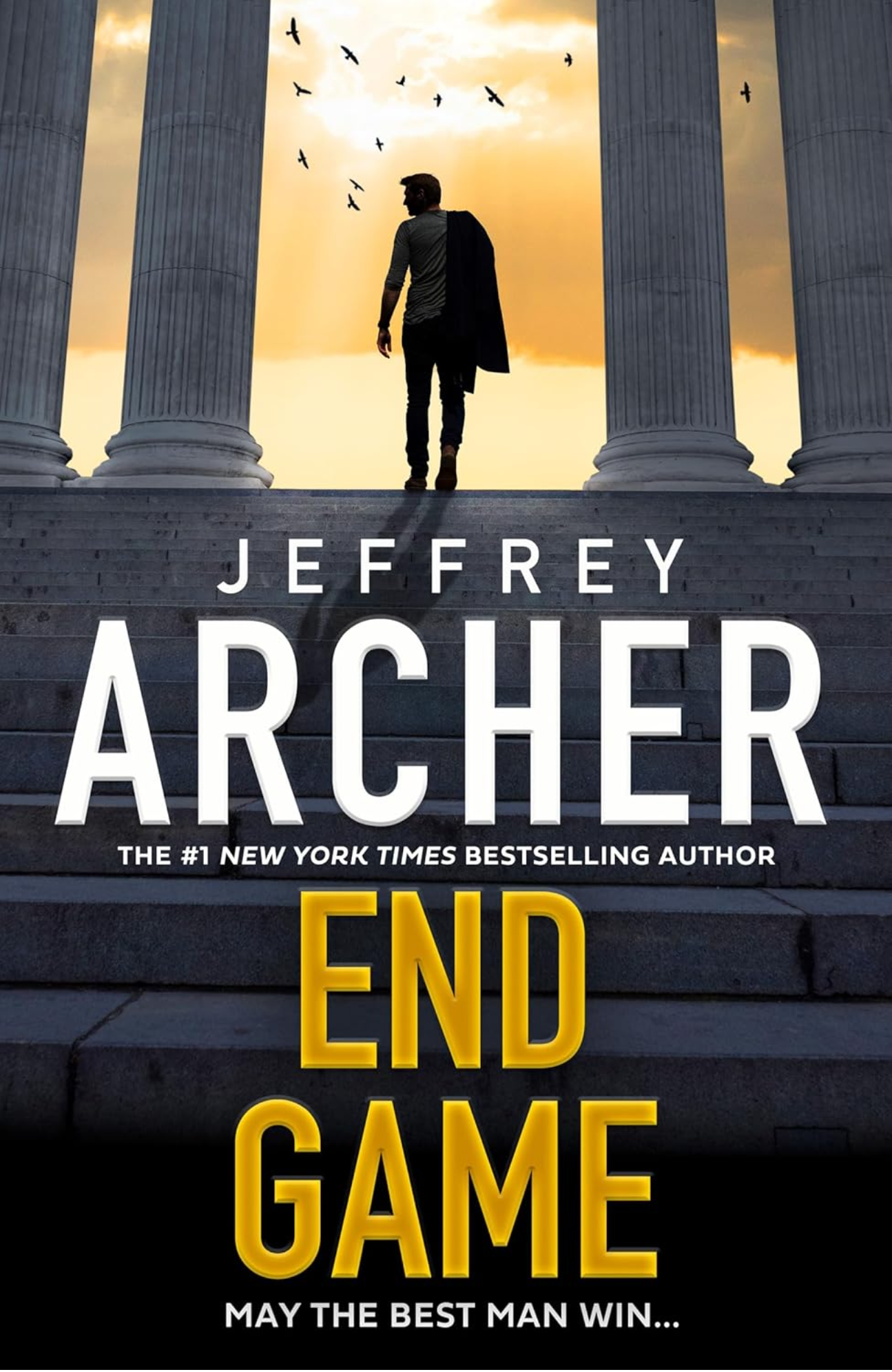
The Olympic Games Opening Ceremony is one of the most-watched television events in the world. However, although the host country spares no expense in putting on a dazzling display, the finished product is rarely memorable. One glorious exception was the 2012 Games in London, whose opening ceremony culminated in James Bond parachuting into the stadium alongside Queen Elizabeth. Of course, both “Bond” and the “Queen” were stunt performers, but the memories remain for everyone who watched. But what if something had gone wrong with that carefully planned exhibition? The result would have been equally memorable, but in a far more gruesome manner. That possibility is the central premise in Jeffrey Archer’s gripping police thriller, End Game, featuring his series protagonist, Commander William Warwick.
In End Game, Chinese and Russian agents plot to disrupt the Games with a series of escalating incidents designed to embarrass the host country. These incidents include sabotaging the opening ceremony and a far deadlier disaster planned for the closing ceremony. They have enlisted the aid of Miles Faulkner, a wealthy English career criminal and the Moriarty to Warwick’s
Holmes. Faulkner is too well off to be bought, so the Russians play to his vanity by promising him a priceless Van Gogh, temporarily on display at an English museum. That prize is enough to tempt Faulkner, a fine arts patron.
End Game is a direct descendant of Frederick Forsyth’s brilliant thriller, Day of the Jackal. In Forsyth’s novel, a master assassin plots to kill French President Charles de Gaulle. From the beginning, readers know the Jackal’s plan will fail, just as they know the villains’ ultimate scheme in End Game will fail. What made Day of the Jackal so engrossing for readers was watching the Jackal execute his intricate scheme step by step while the authorities tried to figure out what was going on. Unlike in Jackal, in End Game readers don’t know the villains’ ultimate plan, making the book even more suspenseful.
The villains in End Game have orchestrated a series of disruptions, and Warwick and his team must stop each one. In that regard, the novel resembles a series of episodes of a TV series like FBI, with Warwick at his command post directing his officers and detectives in the field. End Game is the eighth in the series of Warwick novels, and many characters have appeared in several earlier novels, giving the book an extended-family feel. I haven’t read any of Warwick’s previous novels, and I’m sure the emotional impact of the events in this book would have been greater if I had. However, End Game reads quite well as a standalone thriller.
Besides Warwick’s official team, his son and daughter, now in their early 20s, play significant roles. Warwick’s daughter, Artemisia, is a fledgling newspaper reporter who gets behind the scenes at the Olympic Village and becomes deeply involved in one of the book’s subplots. His son, Peter, a solicitor, also provides a vital clue. Finally, Warwick’s wife, Beth, the director of the museum where the Van Gogh is on display, spots Faulkner’s interest in the painting. End Game also features some political infighting among the police higher-ups, as Warwick vies with an unlikable rival for a possible promotion to Commissioner after the Olympics. This type of infighting is quite familiar to anyone who has read a similar police procedural, but the author doesn’t overdo it.
The author has meticulously researched the factual background of End Game and provides this information to readers organically throughout the book. For example, by discussing Miles Faulkner’s efforts to get the Van Gogh, the author will help readers learn a good bit about the fine art world today without being subjected to ungainly information dumps. The author provides similar information on other subjects throughout the book, which I can’t reveal to avoid spoilers.
At the conclusion of End Game, the author turns his research into a challenge to readers. He identifies 22 incidents in the book and informs readers that 13 of them actually occurred in and around the Games. The author then challenges readers to identify what was fact and what was fiction. (He does not provide any answers.) I found this exercise to be rather silly. Fortunately, the author only includes it as an addendum, which readers can ignore.
Jeffrey Archer is over 80 years old and approaching his own endgame. He announced before this book’s publication that it would be the last novel in the Warwick series. (He plans one more novel.) Even without that note of finality, End Game is a top-notch thriller and a worthy successor to Day of the Jackal. Because the villains’ plans involve multiple disruptions, the action keeps moving as the Games progress. Several crucial events involving the series’ core characters occur after the Olympics conclude, giving this book a sense of closure apart from the author’s pre-publication declaration. End Game is a fitting conclusion to the Warwick series and a great farewell to one of today’s best thriller writers.
NOTE: The publisher graciously provided me with a copy of this book through NetGalley. However, the decision to review the book and the contents of this review are entirely my own.
In this clip, author Jeffrey Archer discusses End Game with Barbara Peters at the Poisoned Pen Bookstore:
Read other reviews of End Game:
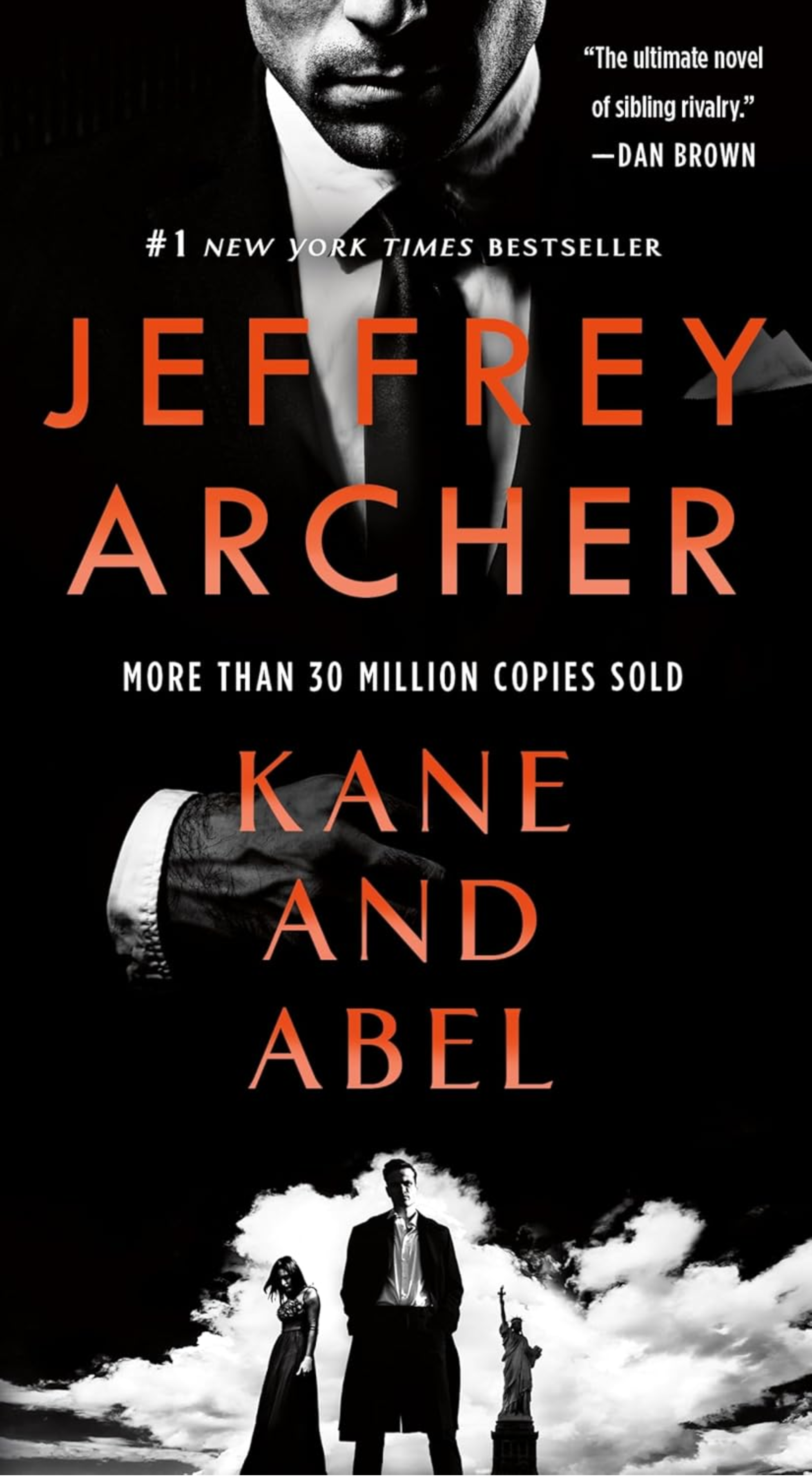
Jeffrey Archer is one of the world’s bestselling authors, with sales of over 275 million copies in 97 countries, and is the only author ever to have been a number one bestseller in fiction (twenty times), short stories (four times) and non-fiction (The Prison Diaries). He has written over 30 novels, several sets of short stories, 3 prison diaries, 3 plays (all of which have been performed in London's West End) and a gospel. His best-selling novel, Kane and Abel, has sold over 34 million copies worldwide and was made into a successful limited series. Archer’s first novel, Not a Penny More, Not a Penny Less was sold to 17 countries within a year. It was also made into a successful serial for BBC Radio 4, and was later televised in 1990 by the BBC. He won the Prix Relay du Roman d’Évasion for his novel Paths of Glory, and the Prix Polar International Prize for the best international thriller of the year, for his novel A Prisoner of Birth. The Clifton Chronicles, a series of seven novels published between 2011-2017, topped the bestseller lists around the world.
Archer served five years in the House of Commons as a Member of Parliament, and thirty years as a Member of the House of Lords before retiring in 2024. He was also convicted of perjury and served almost two years in prison. That experience led to the writing of his best-selling prison diaries.
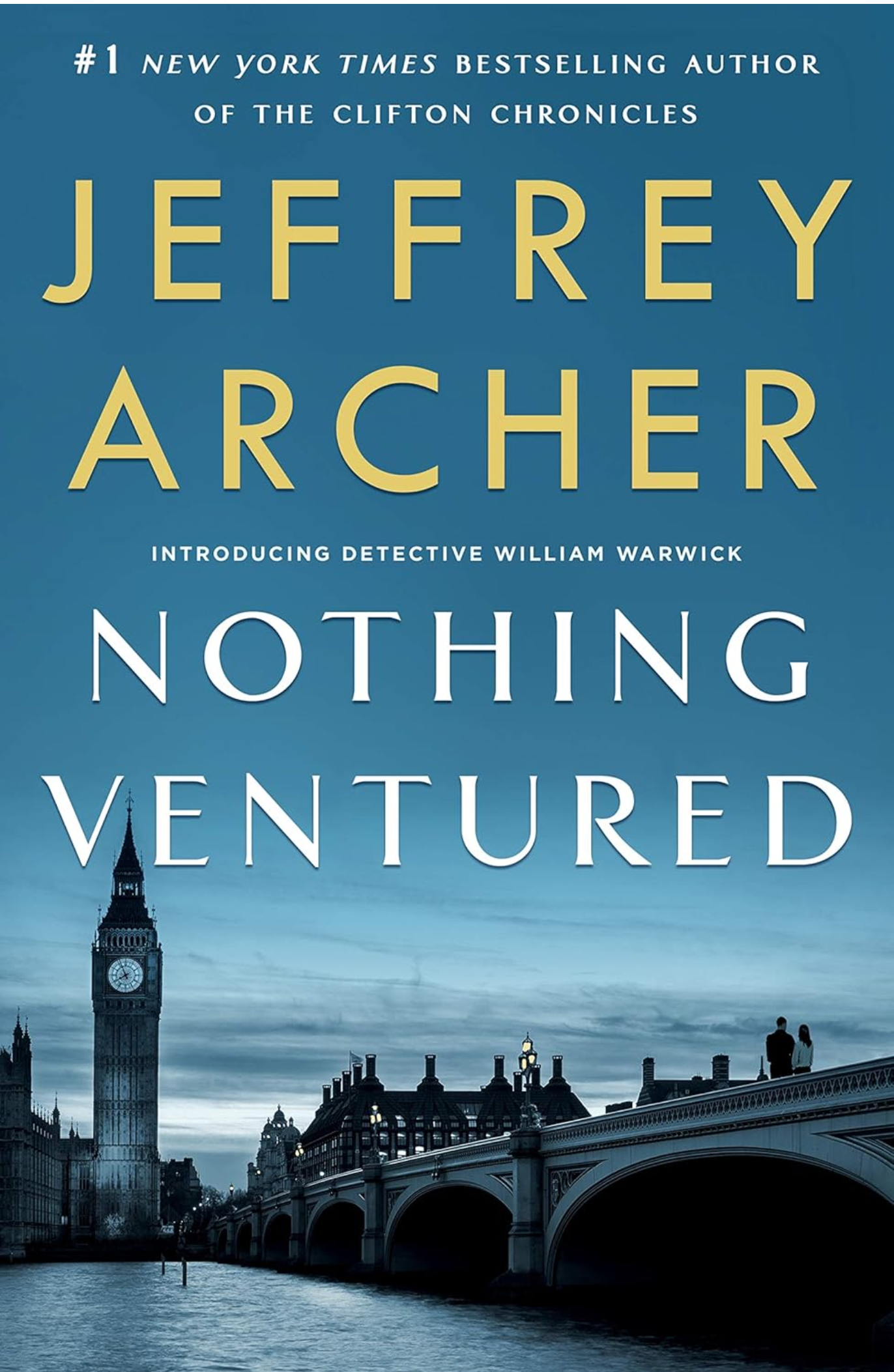
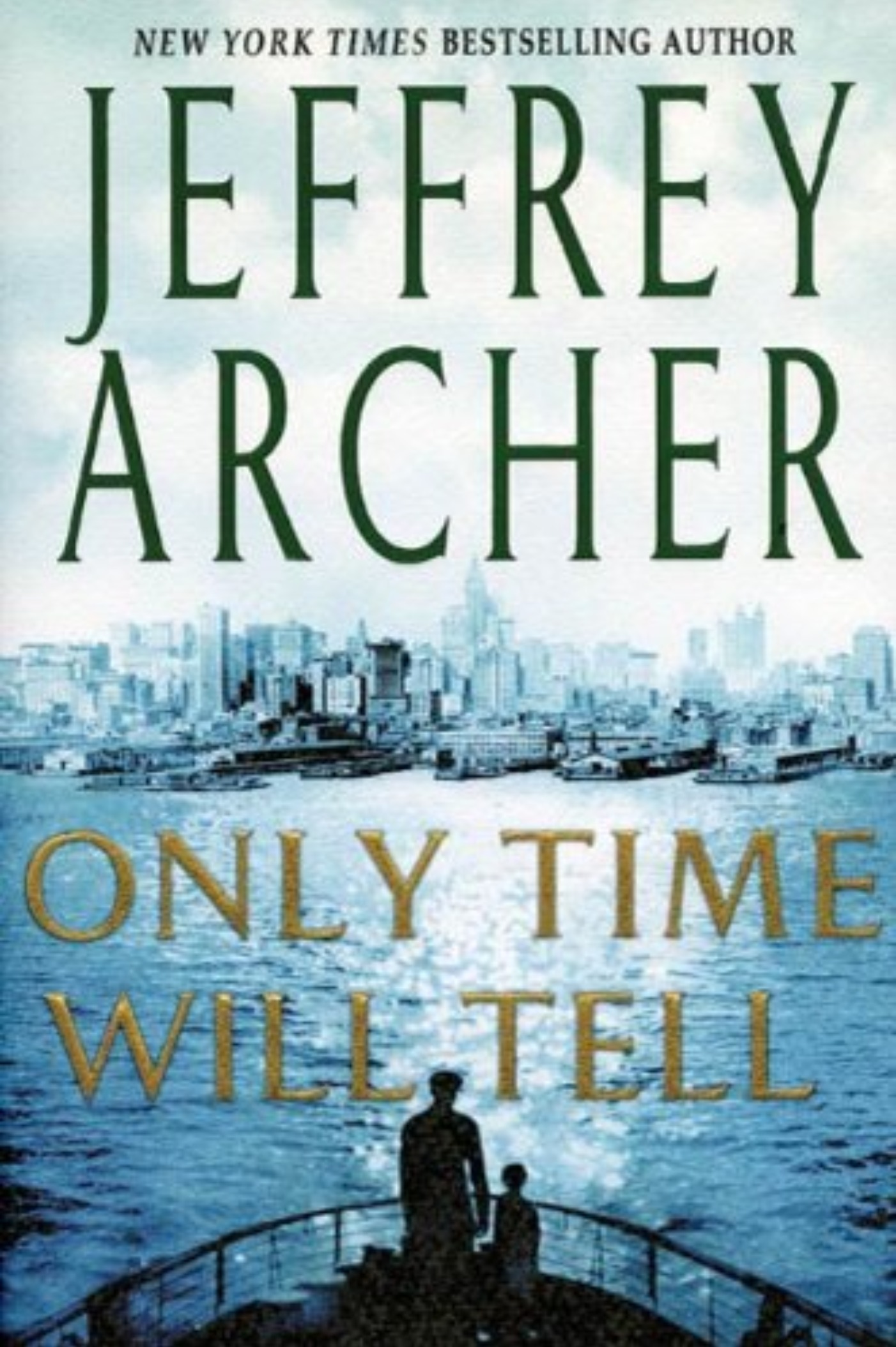
Buy other books by Jeffrey Archer on Amazon:
Header Photo: "Riot Radio" by Arielle Calderon / Flickr / CC By / Cropped
Silver Screen Video Banner Photos: pedrojperez / Morguefile; wintersixfour / Morguefile
Join Button: "Film Element" by Stockphotosforfree
Twitter Icon: "Twitter Icon" by Freepik
Facebook Icon: "Facebook Icon" by Freepik
LinkedIn Icon: "LinkedIn Icon" by Fathema Khanom / Freepik
Goodreads Icon: "Letter G Icon" by arnikahossain / Freepik
Certain images on this site appear courtesy of Amazon.com and other sponsors of Silver Screen Videos for the purpose of advertising products on those sites. Silver Screen Videos earns commissions from purchases on those sites.
© 2026 Steven R. Silver. All rights reserved.
