Silver Screen Library
The Essential Horror of Joe R. Lansdale by Joe R. Lansdale - Review

Follow Us:






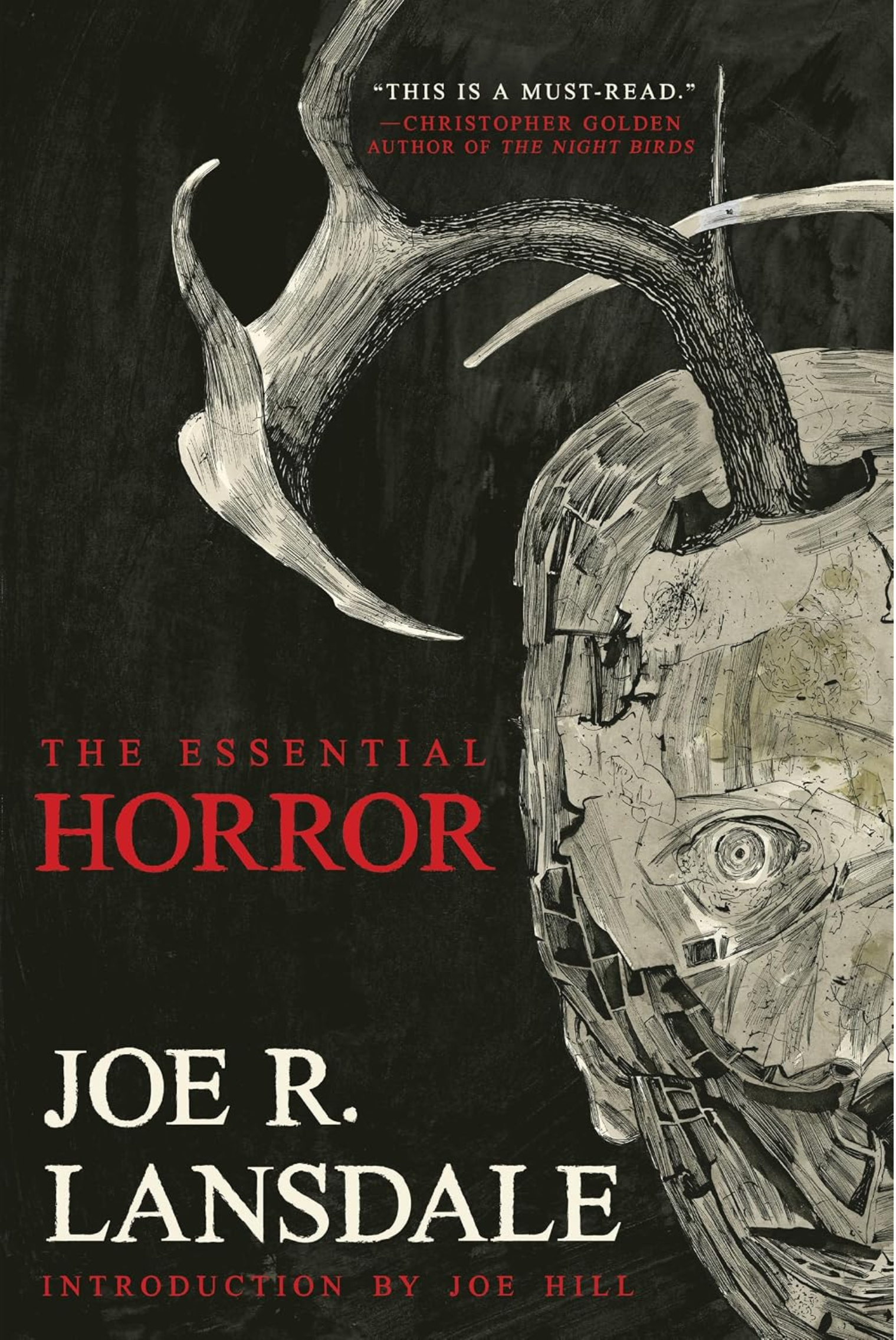
When people are asked to name the best modern horror writer, they mention names like Stephen King, Dean Koontz, and Clive Barker frequently. One author who does not get the credit he deserves is Joe R. Lansdale, who has been going strong for over 40 years and whose body of work and awards rival those of his better-known colleagues. Perhaps this lack of acclaim is because Lansdale’s oeuvre spans multiple genres, including mystery, Western, and science fiction fields, besides horror. The author now seeks to remedy this oversight by publishing a collection of 16 of his best horror stories, appropriately titled The Essential Horror of Joe R. Lansdale. This collection may not be essential horror reading, but the stories are almost uniformly as good as it gets in modern horror.
Before discussing Essential Horror, I would like to point out two caveats. First, some of these stories date back to the 1980s, and all have been previously published. Many have been frequently anthologized, so genre fans likely have read some in the past. I would suggest readers consult the book’s table of contents to see how many of the stories they have already read and decide if that matters. (I had only read one story previously, and I didn’t
mind re-reading it a second time.) Second, the book contains numerous racial slurs and other derogatory slang descriptions of people, including frequent use of the n-word. Most of these slurs occur in the earlier stories, and I think the author might have been more circumspect had he written some of those stories today. Nevertheless, those who are offended by such language might want to avoid Essential Horror.
Lansdale’s horror is dark, with graphic descriptions of violence and truly despicable people. Many of the stories contain supernatural elements, but some are all too real. The collection includes Western and science fiction horror, as well as classic dark fiction. Three stories would be classified as flash fiction, while several others were novelette-length. I was impressed by the author’s ability to create an entire fictional world from scratch in 30 or 40 pages. The characters weren’t always fully fleshed out, but I could suspend my disbelief and buy into the events that unfolded. Further, no matter how grim the subject matter, the author usually inserted some humorous elements into each story. However, despite the humor, the stories never descended into parody or silliness. There were chuckles to be had, but the overall mood was serious.
In most short story collections, even those that carry the label of “best,” there are a few duds. In Essential Horror, a couple of stories were average, but none were bad. The rest ranged from very good to excellent. The author also included an introduction to each story, describing his motivation or inspiration. The stories often originated from events the author had experienced or heard about, and his introductions were often as entertaining as the stories themselves. (The book also includes an introduction by Joe Hill.)
No “essential” collection of Joe R. Lansdale’s work would be complete without his best-known story, “Bubba Ho-Tep,” and the author doesn’t disappoint readers. The story became famous when it was adapted into a cult classic film directed by Don Coscarelli. However, the story itself perfectly illustrates Lansdale’s ability to give completely bizarre material a surface veneer of credibility while avoiding total inanity. In the story (written in 1994), Elvis Presley is a resident of a retirement home, having swapped places with an Elvis impersonator years earlier. There, he teams up with a black man who imagines himself to be John F. Kennedy to fight a mummy that has also taken up residence in the home. The story has plenty of humor, but despite its seemingly ridiculous trappings, the author makes the ultimate showdown between the various forces serious enough and suspenseful.
Other stories in the collection illustrate the breadth of the author’s skill. In “Mister Weed-Eater,” a church hires a blind man as its new groundskeeper. A good Samaritan neighbor tries to help the blind man clear the church’s vast lawn with the titular weed-eater the church provided. However, when the neighbor invites the blind man inside his home, the stranger gradually takes over the neighbor’s role as head of the household. This story is probably the most humorous overall in the collection, but it reminded me of a Sorcerer’s Apprentice of cascading poor results for the unfortunate neighbor. “By Bizarre Hands” also involves a stranger who drops in on an unsuspecting family. This time it’s an itinerant preacher who visits a widow and her developmentally challenged teenage daughter. However, the story has no humor or supernatural elements. Instead, it’s a gripping tale of human terror in the form of a completely depraved individual.
Two stories in Essential Horror, both written in the 1980s, are set against the background of a post-apocalyptic world. In “Tight Little Stitches in a Dead Man’s Back,” a scientist emerges from an underground complex following years of shelter after a nuclear war. What he finds is a landscape populated by mutant creatures, the deadliest of which are rose bushes that take over people’s bodies. The premise has considerable comic possibilities, but the author plays it completely straight and extremely chilling.
Lansdale’s comic touch is clearer in the longest work in the collection, “On the Far Side of the Cadillac Desert with Dead Folks.” Here, most of the world’s population has become zombies following unspecified apocalyptic events. The story’s protagonist is a futuristic bounty hunter who is kidnapped, along with his captured quarry, by a scientist who wants to experiment on his two new subjects. The scientist has formed a cult that now occupies the remains of Disneyland. He calls himself Brother Lazarus. His disciples include scantily clad nuns who dispense their favors to those to whom Brother Lazarus directs them . This story is completely off the rails, but it takes itself seriously enough to make the action entertaining. I was amazed at the author’s ability to create a complex, albeit depraved, futuristic society in a mere 40 pages. This story would make a great movie that might rival “Bubba Ho-Tep” for cult possibilities.
The author saves the best for last in Essential Horror. The book concludes with what he says is his personal favorite story, “Night They Missed the Horror Show,” first published in 1988. It has no supernatural elements. Instead, as Lansdale states in the story’s introduction: “It’s a story of bad guys meeting some ‘really’ bad guys.” I won’t describe the plot any further other than to say it’s just as effective now as when it was written. The story won one of Lansdale’s ten Bram Stoker awards, and deservedly so, even though it’s far from the sort of traditional horror tale such awards usually honor.
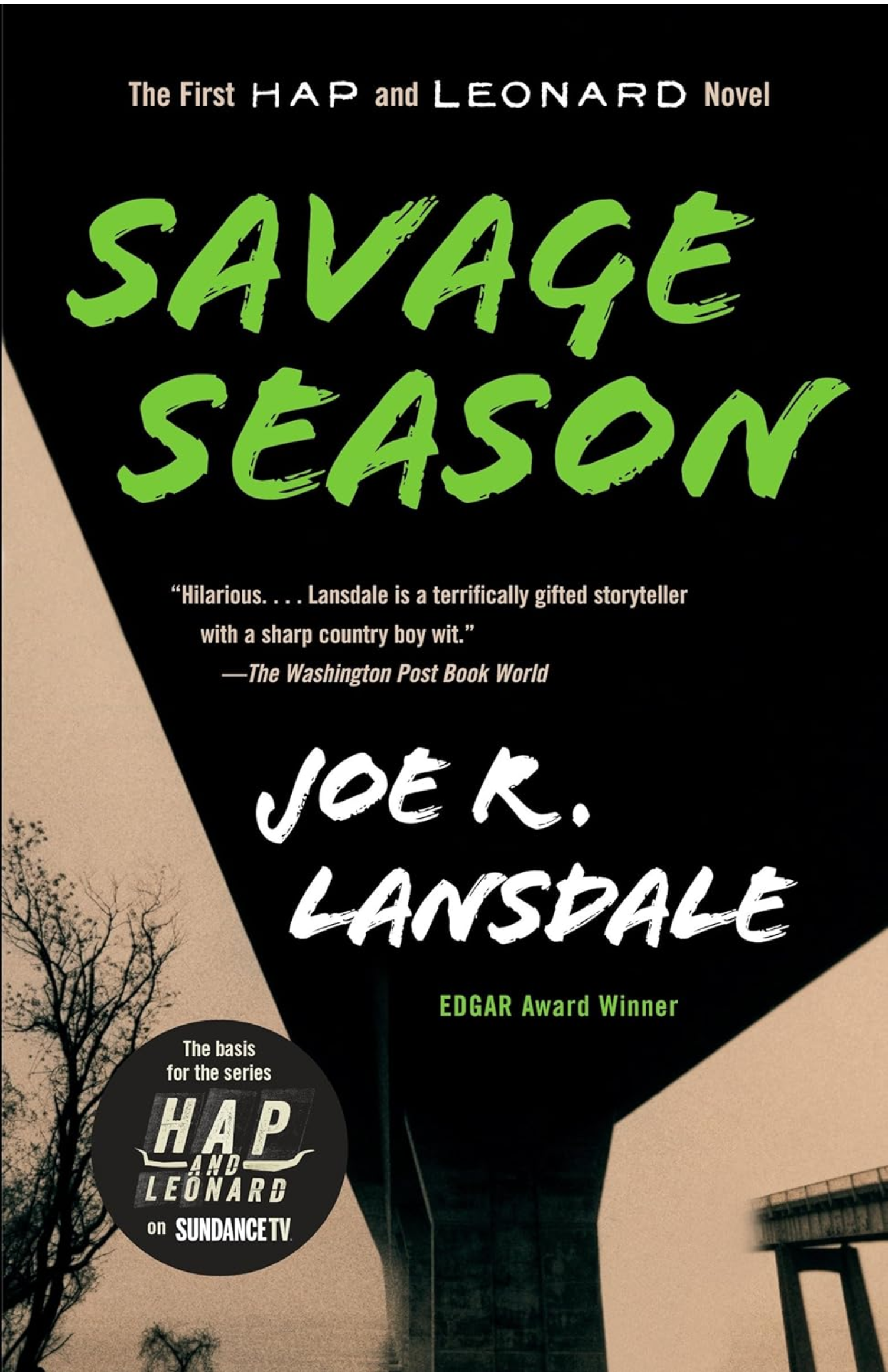
Few authors today blend genres as effortlessly and skillfully as Joe R. Lansdale. His Hap and Leonard mysteries are a hoot, and his Westerns rival any out there today. For those who have never read Lansdale’s work, or who have only caught an occasional story reprinted in one of the many anthologies in which his work appears, The Essential Horror of Joe R. Lansdale does a great job of assembling much of the best in one location. Those who know his work will similarly delight in finding these stories assembled for the first time. This book may not be essential reading for horror fans, but it’s certainly filled with gruesome delights.
NOTE: The publisher graciously provided me with a copy of this book through NetGalley. However, the decision to review the book and the contents of this review are entirely my own.
In this clip, author Joe R. Lansdale discusses The Essential Horror of Joe R. Lansdale with Howard Gorman of CinemaChords:
Read other reviews of The Essential Horror of Joe R. Lansdale:
Joe R. Lansdale is the author of over thirty novels and numerous short stories. His work has appeared in national anthologies, magazines, and collections, as well as numerous foreign publications. He has written for comics, television, film, newspapers, and Internet sites. His work has been collected in eighteen short-story collections, and he has edited or co-edited over a dozen anthologies.
Lansdale has received the Edgar Award, ten Bram Stoker Awards, the Horror Writers Association Lifetime Achievement Award, the British Fantasy Award, the Grinzani Cavour Prize for Literature, the Herodotus Historical Fiction Award, the Inkpot Award for Contributions to Science Fiction and Fantasy, and many others.
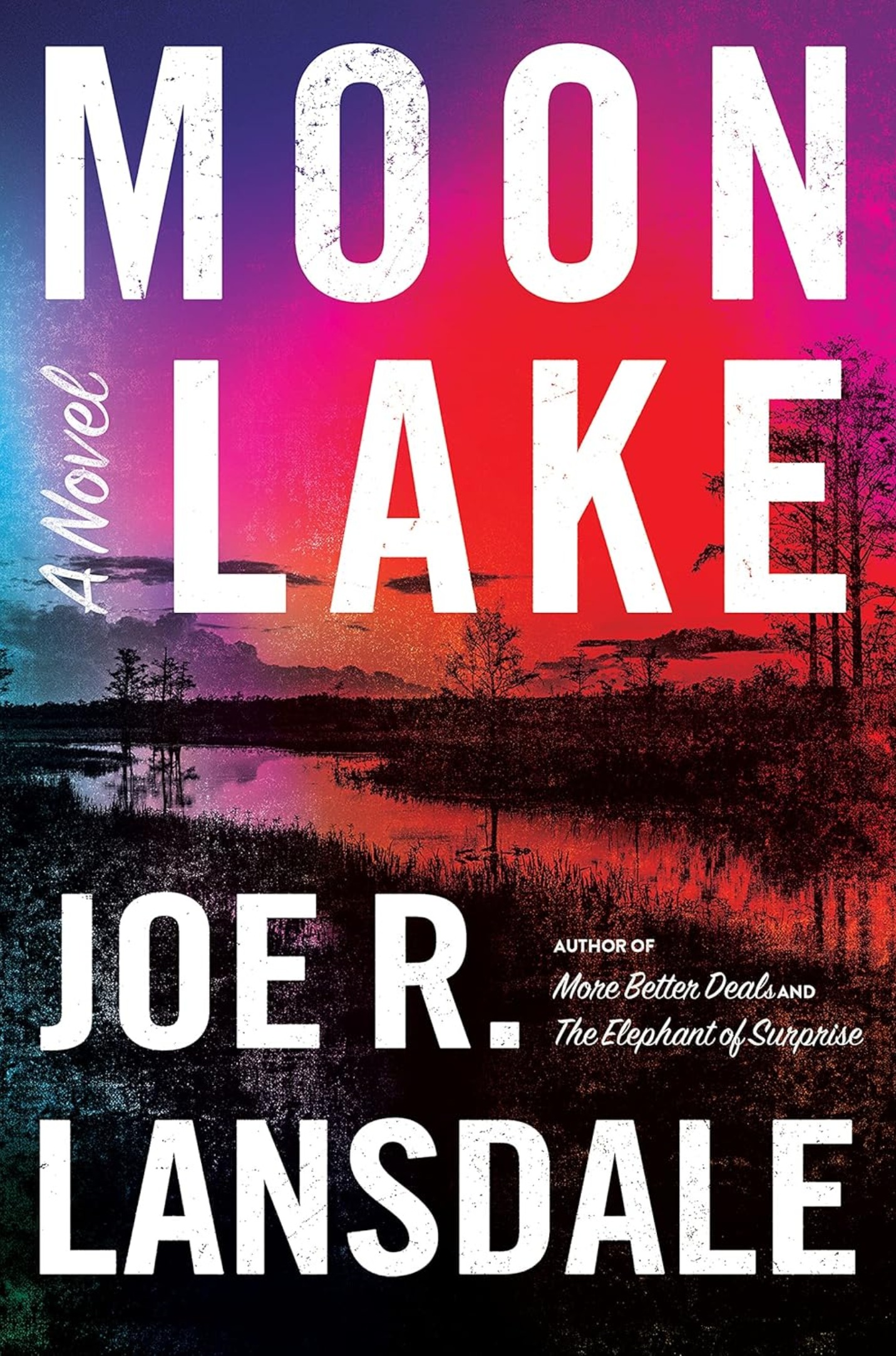
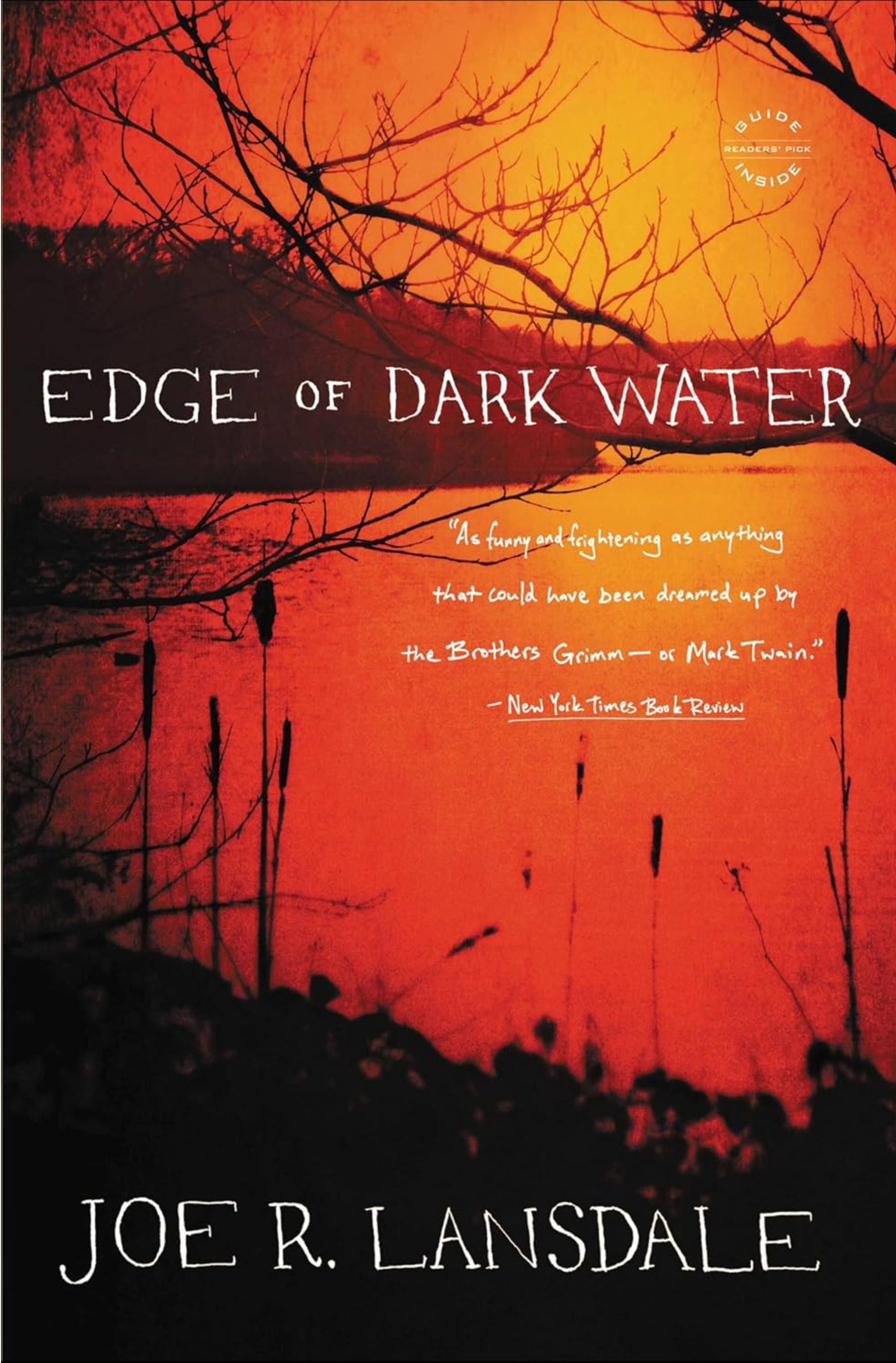
Buy other books by Joe R. Lansdale on Amazon:
Header Photo: "Riot Radio" by Arielle Calderon / Flickr / CC By / Cropped
Silver Screen Video Banner Photos: pedrojperez / Morguefile; wintersixfour / Morguefile
Join Button: "Film Element" by Stockphotosforfree
Twitter Icon: "Twitter Icon" by Freepik
Facebook Icon: "Facebook Icon" by Freepik
LinkedIn Icon: "LinkedIn Icon" by Fathema Khanom / Freepik
Goodreads Icon: "Letter G Icon" by arnikahossain / Freepik
Certain images on this site appear courtesy of Amazon.com and other sponsors of Silver Screen Videos for the purpose of advertising products on those sites. Silver Screen Videos earns commissions from purchases on those sites.
© 2026 Steven R. Silver. All rights reserved.
