Silver Screen Library
The October Film Haunt by Michael Wehunt - Review

Follow Us:






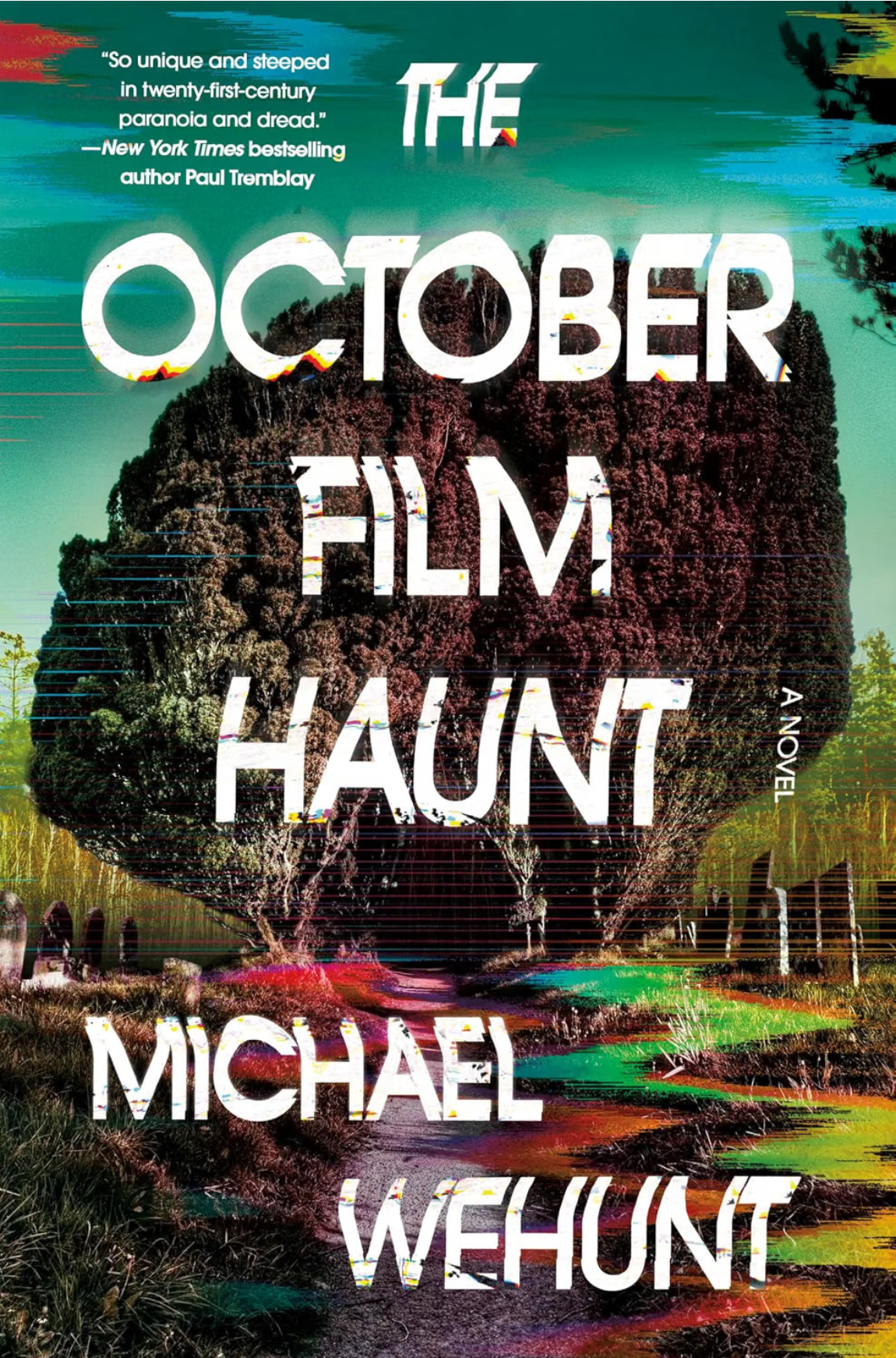
The most successful motion picture of all time in terms of return on investment was The Blair Witch Project. Made on an original budget of $35,000 and released in 1999, the film eventually grossed nearly $250 million at the box office and much more in subsequent video releases. What was even more impressive about The Blair Witch Project was the fact that it was released before the rise of social media platforms like Twitter, Facebook, and Instagram. The film relied on word of mouth and primitive chat rooms to spread the word. Fast forward a decade, though, and imagine what happens when a similar film prompts a similar fan response in the social media era. Such a similar movie gives rise to The October Film Haunt by Michael Wehunt, a highly imaginative horror novel that eventually tries to do a bit too much.
The film-within-the-novel in The October Film Haunt is an ultra-low-budget, bizarre movie titled Proof of Demons. The movie features five six-minute static shots in which nobody on-screen moves, separated by plot interludes featuring graphic murders committed by characters covered by sheets. At the end of the movie, a portal to the underworld opened, and something emerged. If that sounds silly, it was to most people, and the movie languished in back-of-the-video-store obscurity until it was
“rediscovered” by Jorie Stroud and her two cohorts. The trio had previously started a blog titled The October Film Haunt, where they traveled to the actual locations of famous horror movies and reported their experiences.
Jorie’s blog became a big hit in horror fan circles, leading the group to travel to the cemetery where Proof of Demons supposedly took place. Once there, Jorie engaged in a bit of fan fiction, inventing a supposed encounter with the Pine Arch Creature, the supernatural monster from Proof of Demons. Jorie’s report backfired spectacularly when a group of fans buried a teenager alive in a fatal recreation of a scene Jorie invented. Afterward, Jorie went into hiding in rural Vermont to escape the notoriety. Unfortunately, as the novel opens, Jorie’s infamy catches up to her. She begins receiving VCR tapes with candid footage of her, suggesting that some fans of Proof of Demons want to make a sequel starring Jorie. Since the sequel involves characters covered in sheets and carrying large knives, Jorie understandably wants nothing to do with the whole idea.
The backstory of The October Film Haunt is extremely complex and well thought out. Here, the author created a detailed scenario for his Proof of Demons film, and the events in the book all tie into it. The book complements the movie rather than serving as a jerry-rigged construction to fit the novel’s requirements. Horror fans will also easily pick up on the novel’s numerous Easter eggs, such as the similarity of Jorie Stroud’s name to “Laurie Strode,” the name of Jamie Lee Curtis’s character in the Halloween movies. Similarly, albeit somewhat more obscure, a secondary character in the book is Trevor Henderson, a real-life graphic horror artist who serves a similar function in the novel.
Hardcore horror fans are probably the target audience for The October Film Haunt, but the book isn’t merely an extended in-reference for them. The author created several credible characters, most notably Jorie. She’s a woman trying to raise a sensitive child away from the notoriety that surrounded her. Jorie works as a grocery store clerk to make ends meet. (There’s an impressive scene in the book where several of the knife-wielding fans confront Jorie among the aisles at work.) Jorie’s efforts to keep her son safe propel the action in the book’s closing chapters. Despite the novel’s outlandish premise, I felt that Jorie and the other central characters were actual people, not horror stereotypes.
The author shifts his point of view repeatedly from chapter to chapter among Jorie, her fellow Haunt blogger Beth, the fictional Trevor Henderson, and others. These characters are often separated by considerable distances throughout the book, so the shifts can cause considerable geographic confusion, leaving readers to wonder if a scene takes place in Vermont, North Carolina (site of the original film’s cemetery), or somewhere else. The author also includes filler material between chapters, such as entries from the fictional Proof of Demons Wikipedia page and Jorie’s blog, as well as magazine articles and other news reports about the controversy surrounding the movie. This material makes the book feel more authentic, but also confuses readers. Add the author’s use of short sentences and opaque references during some climactic scenes, and the horror blends into mere confusion at times.
The biggest problem I had with The October Film Haunt, however, was a common one in first-time authors. Michael Wehunt simply tried to do too much with multiple layers of reality, shifts between slasher and paranormal horror, and a fan “conspiracy” that stretched credibility a bit too far. Sometimes, when the knife-wielding fans pursued a character, I wondered how many of them were lurking around this small town and why nobody ever noticed them. All books of this type require a certain suspension of disbelief, but my disbelief reared its head at inopportune moments in otherwise suspenseful scenes like the grocery store showdown.
I admired The October Film Haunt more than I enjoyed it as a visceral horror experience. The author does many things right, including a remarkably clever central premise and a well-developed, likable protagonist. The book also has some clever third-act twists I won’t mention. Unfortunately, it also has too many distractions and, at times, unintended confusion. The October Film Haunt is based on an earlier short story by the same author, and I could tell how much effort the author put into polishing and refining the premise. Sometimes, however, less would be more, and that’s what I felt here. I think this book may provide valuable experience for the author’s subsequent literary efforts. As for the present, it’s a moderate three-star recommendation from me.
NOTE: The publisher graciously provided me with a copy of this book through NetGalley. However, the decision to review the book and the contents of this review are entirely my own.
In this clip, author Michael Wehunt discusses The October Film Haunt with Vince of the Dread Alert podcast:
Read other reviews of The October Film Haunt:
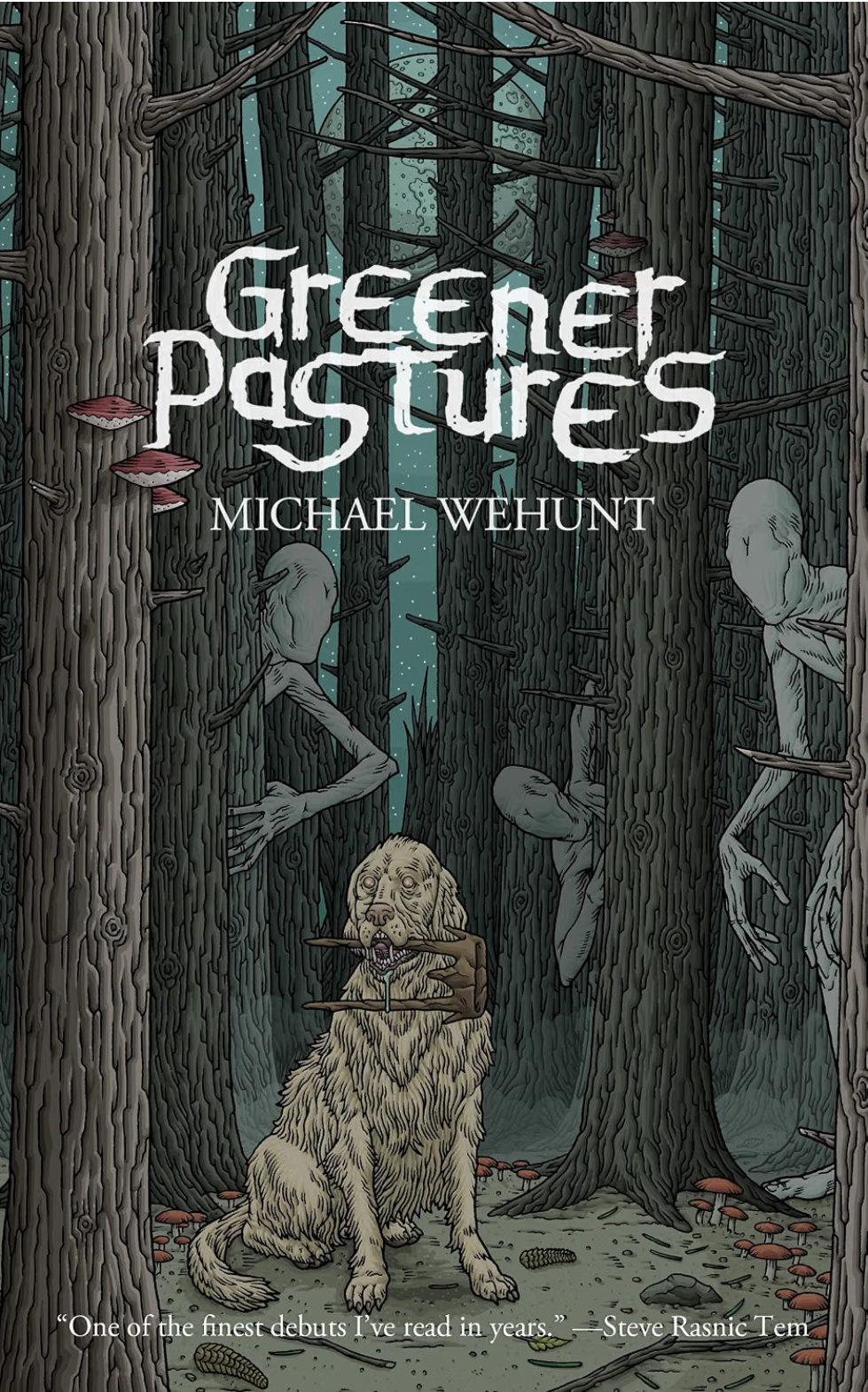
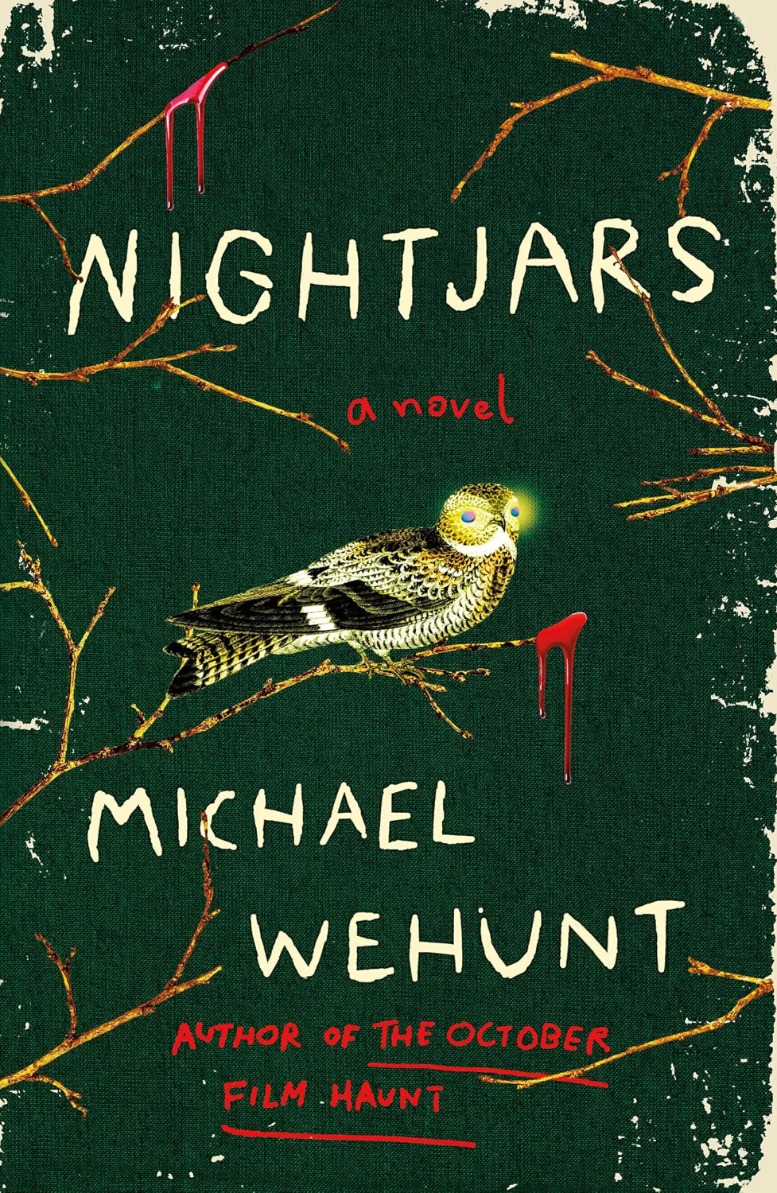
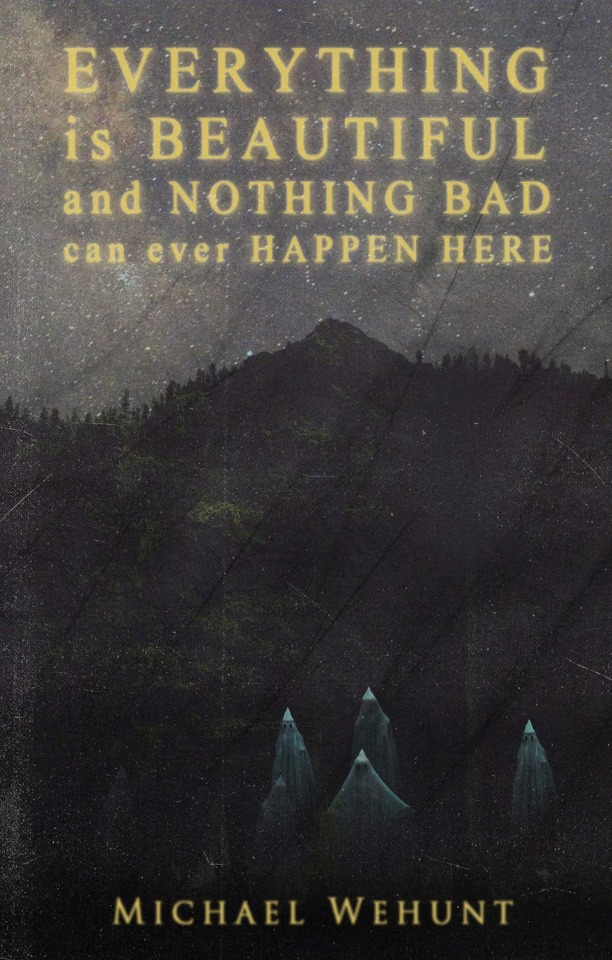
Michael Wehunt is an Atlanta-based author of the horror novel, The October Film Haunt, collections Greener Pastures and The Inconsolables, and the novella Everything Is Beautiful and Nothing Bad Can Ever Happen Here. His work has been a finalist for the Shirley Jackson Award, shortlisted for the International Association for the Fantastic in the Arts' Crawford Award, and published in Spain, where it garnered nominations for the Premio Ignotus and Premio Amaltea, winning the latter.
Read other books from Michael Wehunt on Amazon:
Header Photo: "Riot Radio" by Arielle Calderon / Flickr / CC By / Cropped
Silver Screen Video Banner Photos: pedrojperez / Morguefile; wintersixfour / Morguefile
Join Button: "Film Element" by Stockphotosforfree
Twitter Icon: "Twitter Icon" by Freepik
Facebook Icon: "Facebook Icon" by Freepik
LinkedIn Icon: "LinkedIn Icon" by Fathema Khanom / Freepik
Goodreads Icon: "Letter G Icon" by arnikahossain / Freepik
Daniel Noah: "Daniel Noah at the 2025 Sundance Film Festival Visitations Podcast Recording" by Bryan Berlin / Wikimedia Commons / CC BY-SA 4.0
Certain images on this site appear courtesy of Amazon.com and other sponsors of Silver Screen Videos for the purpose of advertising products on those sites. Silver Screen Videos earns commissions from purchases on those sites.
© 2026 Steven R. Silver. All rights reserved.
