Silver Screen Library
The Predicament by William Boyd - Review

Follow Us:





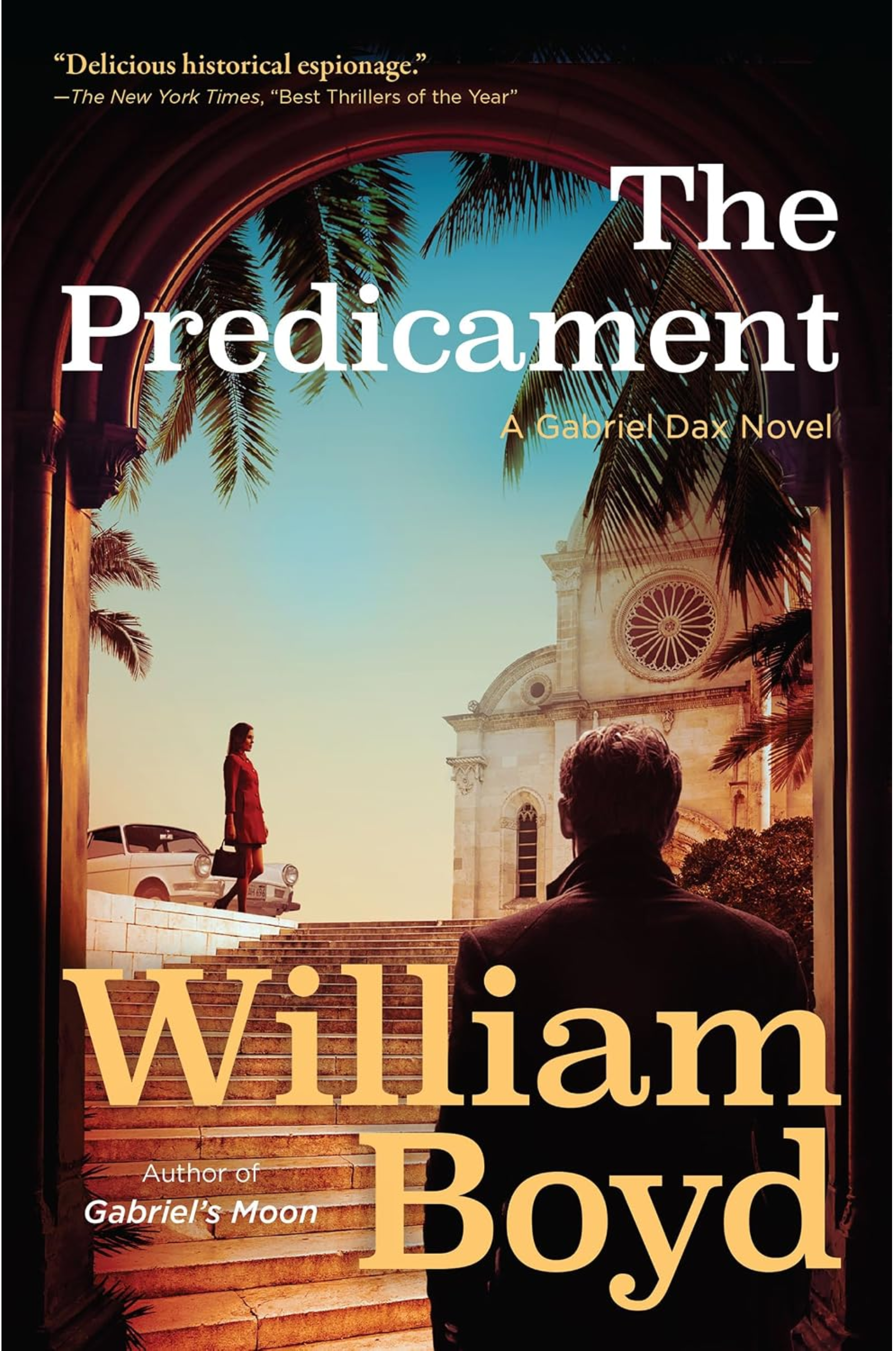
The 1960s were the decade in which the espionage novel came of age. Ian Fleming’s James Bond led the way, both in print and on the big screen, but the decade also saw the debut of more serious, often downbeat novels by authors like Len Deighton and John le Carré. William Boyd missed the 60s by a few decades (his first novel was published in 1981), but he seems to have discovered the era late in his career. The Predicament is Boyd’s second novel featuring travel writer-turned-reluctant secret agent Gabriel Dax, and it’s a fitting successor to Deighton’s and Le Carré’s novels of that decade. Boyd also has the benefit of hindsight, structuring his book to incorporate real historical events seamlessly. The result is a highly entertaining work for fans of both spy fiction and serious literature.
The Predicament is the second in what the author claims will be a trilogy featuring Gabriel Dax. He’s a moderately successful author who makes a living writing books on topics like the world’s great rivers. Because Dax’s work requires extensive on-site research, MI6 realizes his unquestioned access to world hotspots could be a useful asset. Ironically, Dax is also being paid by the KGB to be a double agent as well. (MI6 is aware of
this arrangement and used it in the previous Dax novel to enable him to pass information to an agent in Moscow.) As The Predicament opens in the spring of 1963, Dax is sent to Guatemala, a country in the midst of considerable unrest. Leftist rebels are fomenting dissent against the right-wing government backed by U.S. interests. Dax’s assignment is to get an interview with a priest who is a popular rebel leader at his hideout deep in the country’s mountains.
Dax meets the man but doesn’t get the interview. Instead, the priest is assassinated, and the government is overthrown in a military coup. Dax then goes to New York, where an unknown assailant stabs him, and finally back to England. After recovering (about two-thirds of the way through the novel), he gets his last assignment, one I won’t describe further because I don’t want to spoil any surprises for readers. However, I was able to figure out what was going to happen well before Dax did. (A good knowledge of world history helped with this.)
Gabriel Dax owes a debt to Graham Greene’s classic novel, Our Man in Havana. However, unlike Greene, who played his amateur agent for dark laughs, William Boyd takes Dax seriously, and the novel credibly tries to turn him into an actual spy. Dax is an intelligent man and realizes he is a small cog in a vast intelligence network. He gets caught up in events like the Guatemalan coup with only a vague idea of how the various characters he meets fit into the big picture. And since the author tells the story from Dax’s point of view, readers don’t know what he doesn’t know.
I appreciated the fact that I never learned everything that was going on, including the allegiance of Dax’s would-be assassin in New York. (I have a feeling the final novel in the trilogy will reveal more in this regard.) I appreciated even more the fact that the author did not use Dax’s full-time job as a travel writer as a mere plot point. Instead, the book includes fascinating subplots in that regard, including Dax’s efforts to pre-sell his next book to get an advance. He also must fend off a plagiarism suit that leads to a surprising resolution.
In The Predicament, Dax’s success as a travel writer rests on his attention to detail in describing the places he visits and bringing them to life realistically. In a case of life imitating art, William Boyd has done the same thing. The Predicament is filled with detailed descriptions of the hotels, bars, and restaurants Dax visits, as well as his tastes and habits. (For example, the author notes Dax smokes Gitane cigarettes.) After reading the book’s description of the coup that took place in Guatemala, I did my own research into the actual events and found the author’s description of the events surprisingly accurate.
The Predicament shows the signs of an exhaustively researched book, but the author avoids a frequent trap I’ve encountered in similar well-researched stories. The Predicament reads like a travelogue, not an information dump of research articles. As such, I felt I was a part of the scenery that Dax encounters, and the plot has a realistic feel to it.
I was somewhat critical of the author’s first Dax novel, which I read and reviewed previously, because I felt it spent too much time on Dax’s internal struggles over his new role, including an overly extensive description of his love life. Dax’s varied love interests (and his sessions with his psychotherapist about them) are still present in The Predicament, but they take a back seat to the storyline. The book still contains more of that material than I would have preferred.
However, the last quarter of the book reads more like a conventional spy thriller with a most unconventional protagonist. Dax’s transition from befuddled amateur in way over his head to a surprisingly astute agent makes the book’s climax quite entertaining. Critics often use descriptions such as “Like nothing you’ve ever read before.” That’s usually mere hyperbole, but in the case of The Predicament, it’s surprisingly accurate. The book works precisely because of Dax’s unusual background and how the book presents him. I enjoyed reading about him as a travel raconteur almost as much as reading about his espionage exploits. The Cold War world of 1964 and beyond is still fertile ground for at least one more Gabriel Dax adventure, and I’m looking forward to the next step in his advancement in the world of spycraft.
NOTE: The publisher graciously provided me with a copy of this book through NetGalley. However, the decision to review the book and the contents of this review are entirely my own.
In this clip, author William Boyd discusses The Predicament with Tom Gotti of the Observer Book Club:
Read other reviews of The Predicament:
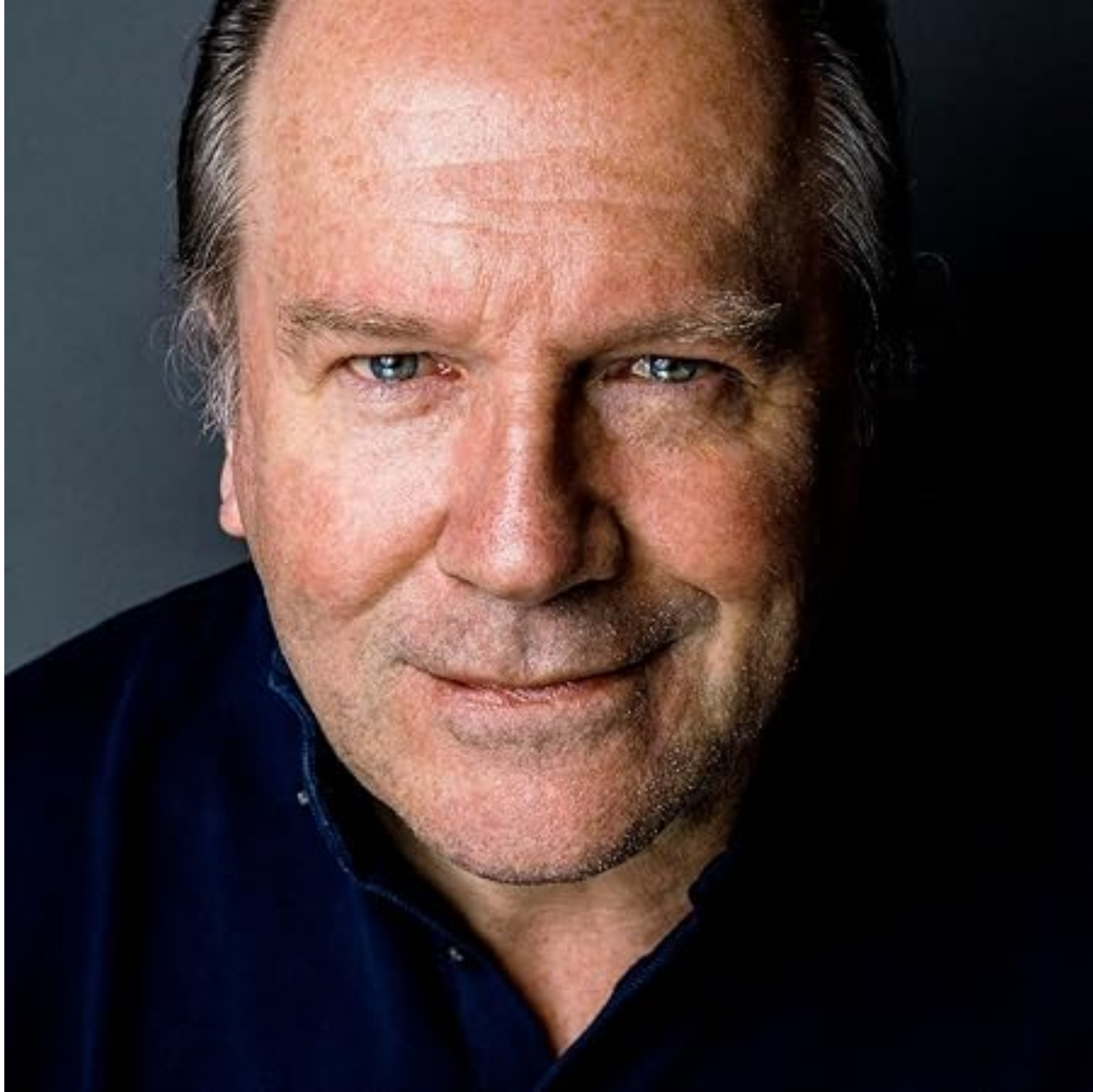
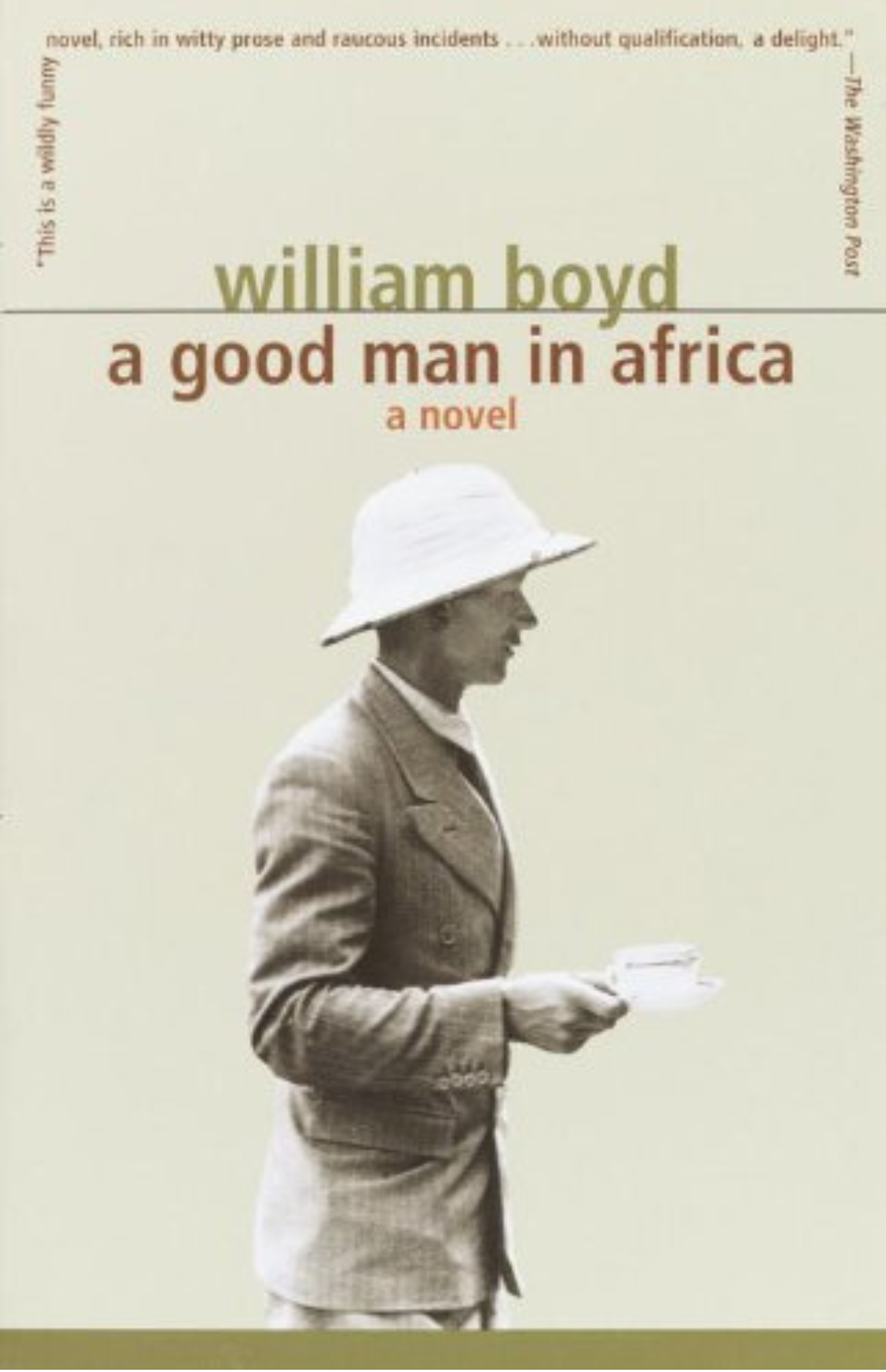
William Boyd was born in Ghana and grew up there and in Nigeria. His novels and stories have been translated into over 30 languages. They include his debut novel, A Good Man in Africa (winner of the Whitbread Award and Somerset Maugham Prize), An Ice Cream War, Stars and Bars, Brazzaville Beach (winner of the McVitie Prize and the James Tait Black Memorial Prize), Restless (Costa Book Award, Novel of the Year 2006) and Solo (a James Bond novel – 2013).
Boyd’s screenwriting credits include Stars and Bars (1987, dir. Pat O'Connor), Mr Johnson (1990, dir. Bruce Beresford), Chaplin (1992, dir. Richard Attenborough, for which he received an Oscar nomination) and A Good Man in Africa (1993, dir. Bruce Beresford). His five-hour TV adaptation of his novel, Any Human Heart, won the BAFTA Award for Best Series. He is a Fellow of the Royal Society of Literature, an Honorary Fellow of Jesus College, Oxford, and an Officier de l'Ordre des Arts et des Lettres. He has been presented with honorary Doctorates in Literature from the universities of St. Andrews, Stirling, Glasgow and Dundee. In 2005 he was awarded the CBE.
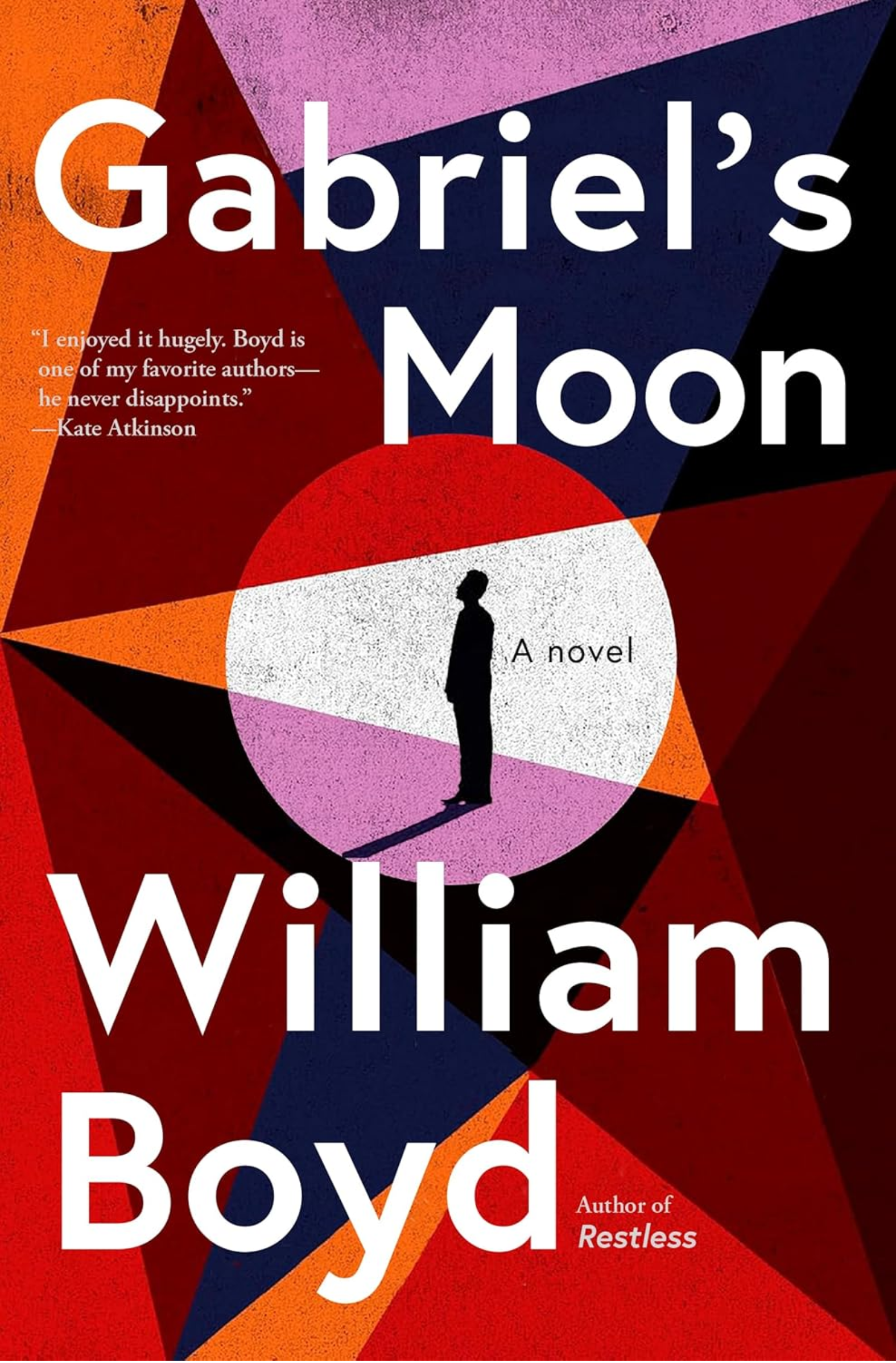
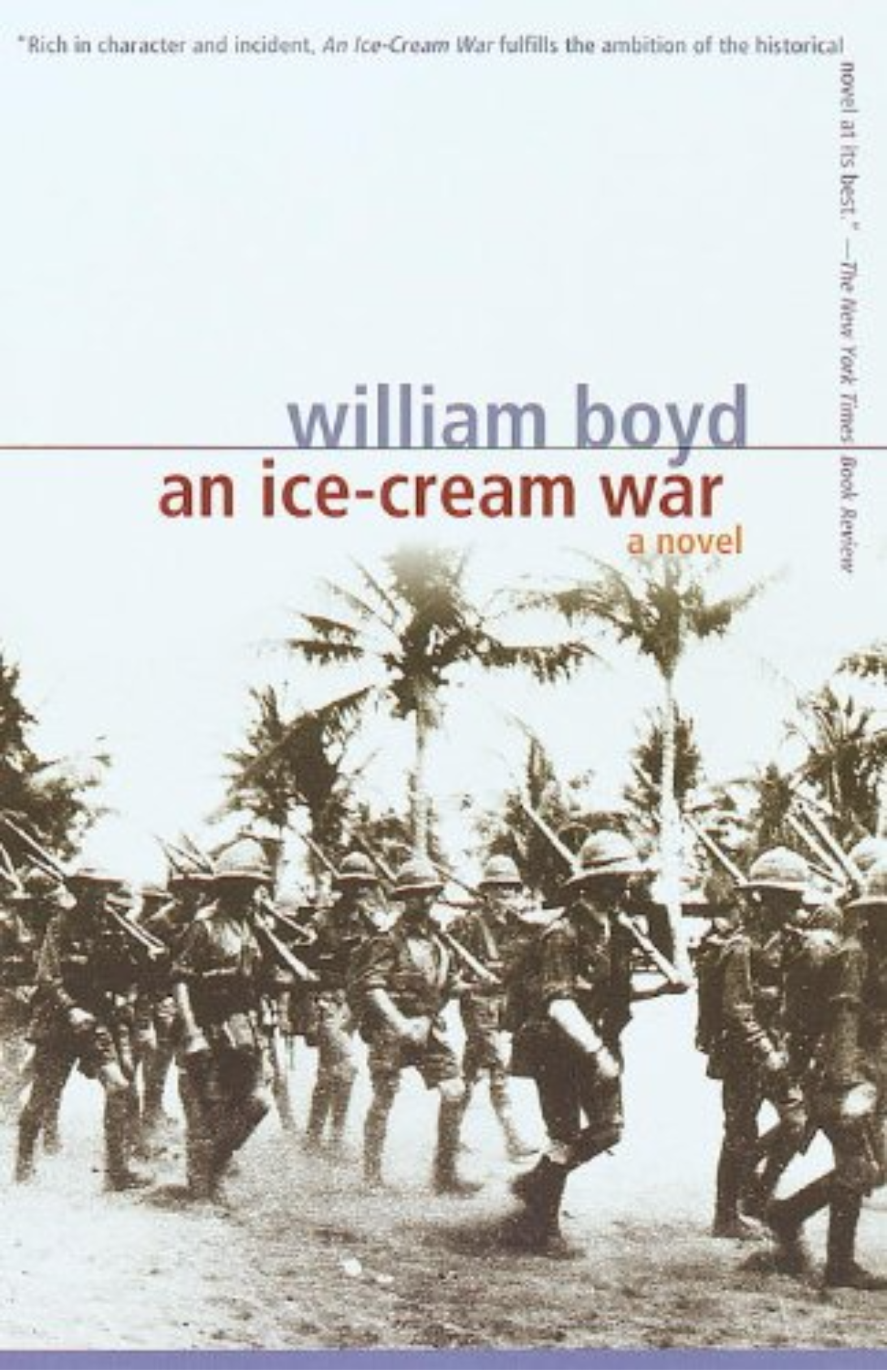
Buy other books by William Boyd on Amazon:
Header Photo: "Riot Radio" by Arielle Calderon / Flickr / CC By / Cropped
Silver Screen Video Banner Photos: pedrojperez / Morguefile; wintersixfour / Morguefile
Join Button: "Film Element" by Stockphotosforfree
Twitter Icon: "Twitter Icon" by Freepik
Facebook Icon: "Facebook Icon" by Freepik
LinkedIn Icon: "LinkedIn Icon" by Fathema Khanom / Freepik
Goodreads Icon: "Letter G Icon" by arnikahossain / Freepik
Strand Magazine: "The Strand Magazine Bound Volume 1894" by Michael Maggs / Wikimedia Commons / Public Domain
Certain images on this site appear courtesy of Amazon.com and other sponsors of Silver Screen Videos for the purpose of advertising products on those sites. Silver Screen Videos earns commissions from purchases on those sites.
© 2026 Steven R. Silver. All rights reserved.
