Silver Screen Library
The Widow by John Grisham - Review

Follow Us:





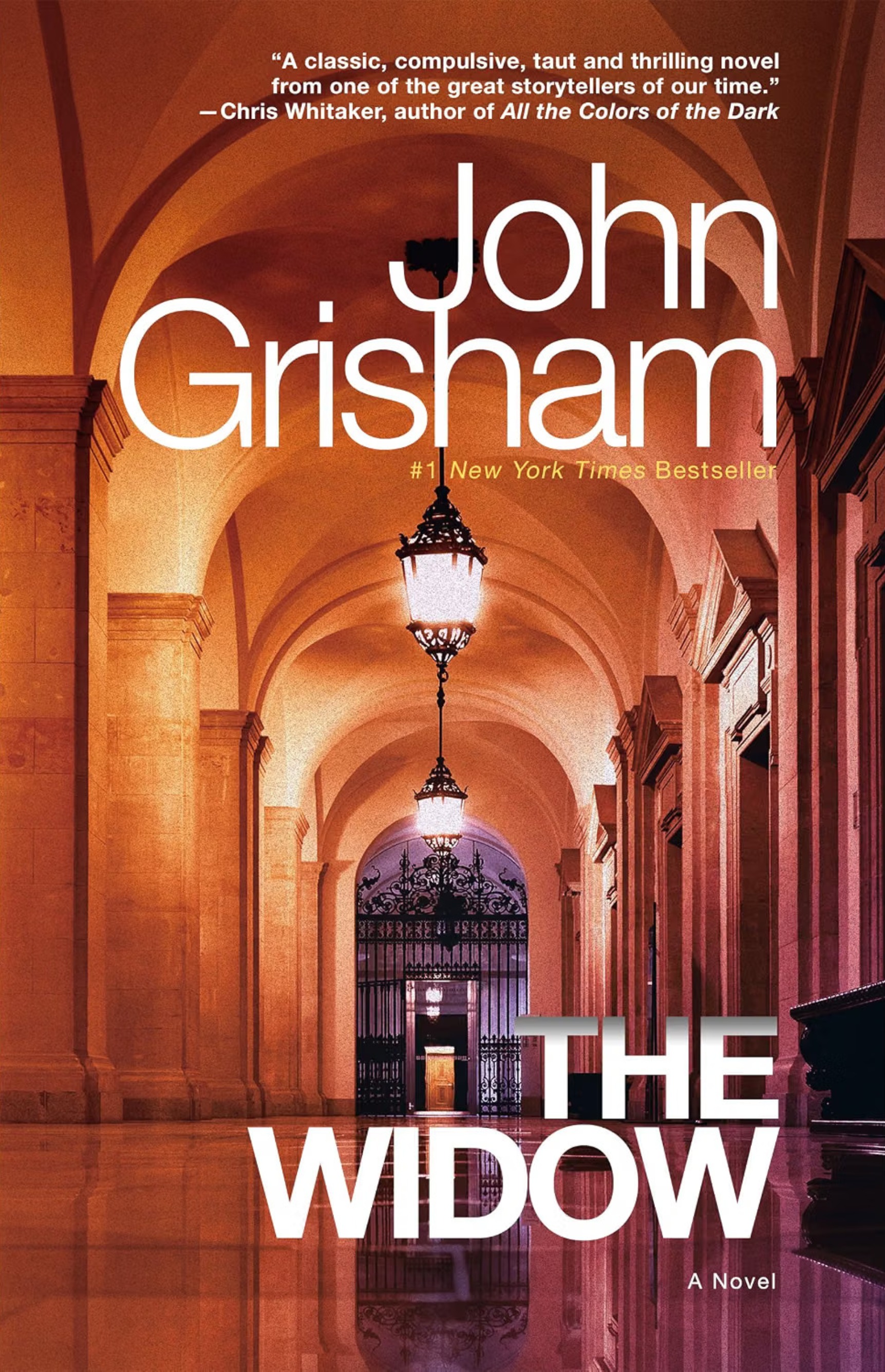
At one time, the term “legal thriller” meant Erle Stanley Gardner’s Perry Mason mysteries. Through over 80 novels and a decade on a highly popular network TV series, Mason represented dozens of innocent clients accused of murder and ultimately unmasked the actual killers. Although Mason’s adventures remain popular, John Grisham has earned the title of “king of the legal thriller.” Grisham’s novels focus on high-powered attorneys at high-powered law firms taking on the major legal and political issues of our times. They haven’t been traditional mysteries involving lower-end attorneys… until now. Grisham’s latest novel, The Widow, looks at the life and career of a bottom-1% lawyer instead of a top-1% law firm. Although the novel’s protagonist is unique in Grisham annals, the book is still an entertaining read.
The protagonist of The Widow is Simon Latch, a struggling attorney in the Washington, DC exurb of Braxton, a town of 30,000. Simon ekes out a living handling simple wills, bankruptcies, evictions, and anything else that comes in the door. He’s separated from his wife, but neither of them can afford a divorce. Simon usually sleeps in a converted one-room office above his own. He’s also in debt to his bookie. In short, Simon’s life is a mess.
Simon’s life changes when Eleanor Barnett, an 85-year-old widow, consults him about making a new will. Although Eleanor seems to lead a simple life with few assets beyond her modest house, she tells Simon she owns millions in Coca-Cola and Wal-Mart stock, purchased through her late husband’s employee purchase plans and reinvested. Eleanor doesn’t trust her current attorney (who stands to make a lot of money under the terms of the will he drafted), so she wants Simon to make a new will and handle her affairs. Simon does so and then embarks on a path in which he makes several decisions that prove suspicious in retrospect when Eleanor dies in the hospital following an auto accident, and the autopsy reveals she was poisoned.
The Widow follows a variation of the Perry Mason formula with one major difference. Simon is charged with Eleanor’s murder based on a lot of circumstantial evidence, even though there is no direct evidence that he poisoned Eleanor. Simon convinces the town’s preeminent trial attorney to take his case pro bono. Unlike the typical Perry Mason defendant, Simon acts as his own version of Paul Drake, investigating a case the police no longer care about. Fortunately for Simon, he has unofficial resources at his disposal that Paul Drake never dreamed of. His ex-girlfriend from law school days conveniently shows up as part of the FBI investigation into Simon’s bookie. She gives him vital information, as does a friend of an acquaintance of Simon’s bookie who just happens to be the requisite hacker that’s become an indispensable part of books like this.
The case eventually comes to trial, and Grisham’s experience as a trial attorney makes this portion of The Widow highly entertaining for genre fans. Even before the trial begins, Simon’s attorney obtains a change of venue, a hearing that happens occasionally in real life but which I’ve never seen described in a book before. The actual trial becomes an informative and enjoyable treatise by the author on trial techniques and the art of cross-examination. Readers’ only regret will be that the section (and the trial) ends too quickly. Fear not, however: the book ends with a second hearing of a type rarely described in legal thrillers, which Grisham presents in his typical informative fashion.
Simon Latch and the other Braxton-area attorneys who have significant roles in The Widow are far from the characters who typically populate John Grisham novels. However, they are exactly the types of attorneys unsophisticated clients often wind up consulting for help with wills, bankruptcies, simple contracts and leases, DUIs, and the like. The author makes them feel real and does a good job showing how similar and dissimilar they are to Simon.
Although I enjoyed The Widow, the book had some problems. John Grisham is not a seasoned mystery writer. (The novel’s promotional materials emphasize it is his first mystery.) He introduces several potential suspects early in the story. However, because Eleanor doesn’t die until nearly halfway through, there’s a necessary delay in revealing the physical evidence, including Simon’s actions and those of the various suspects. Simon’s redemptive arc is credible throughout the story, but not as powerful as it could be. He benefits from enormous coincidences that stretch the bounds of credibility, even beyond what readers generally accept in the genre. He has both his former FBI agent girlfriend and a hacker acquaintance of his bookie feeding him information no small-town lawyer peddling $250 wills could ever hope to find on his own. It’s also information that none of the law enforcement agencies involved in the case found on their own despite enormously greater resources. I was also disappointed by the story’s rather abrupt ending, which amounted to a single paragraph on the last page. At first, I thought my e-book was missing a conclusory chapter, but the ending hinted that the author wasn’t sure how to craft a more emotional finale.
The Widow is like most John Grisham novels in many ways that genre fans will love, including his detailed descriptions of courtroom proceedings. However, when the story moves outside the courtroom, he enters unfamiliar territory. More readers are familiar with the Simon Latch type of lawyer than with the high-powered attorneys who populate most Grisham novels. Showing how the bottom 1% of the legal profession (and those just a step or two above that) lives and works is interesting, too. However, when Simon and the readers must solve a murder mystery, the author falters, relying too much on enormous coincidences and Simon’s awkward investigatory method. The ending, reduced to a single paragraph, was a big disappointment. Still, a Grisham novel that’s a step or two below his best is still a highly enjoyable read for fans of the author and the genre.
NOTE: The publisher graciously provided me with a copy of this book through NetGalley. However, the decision to review the book and the contents of this review are entirely my own.
In this clip, author John Grisham discusses The Widow with Kerri Miller of MPR News:
Read other reviews of The Widow:
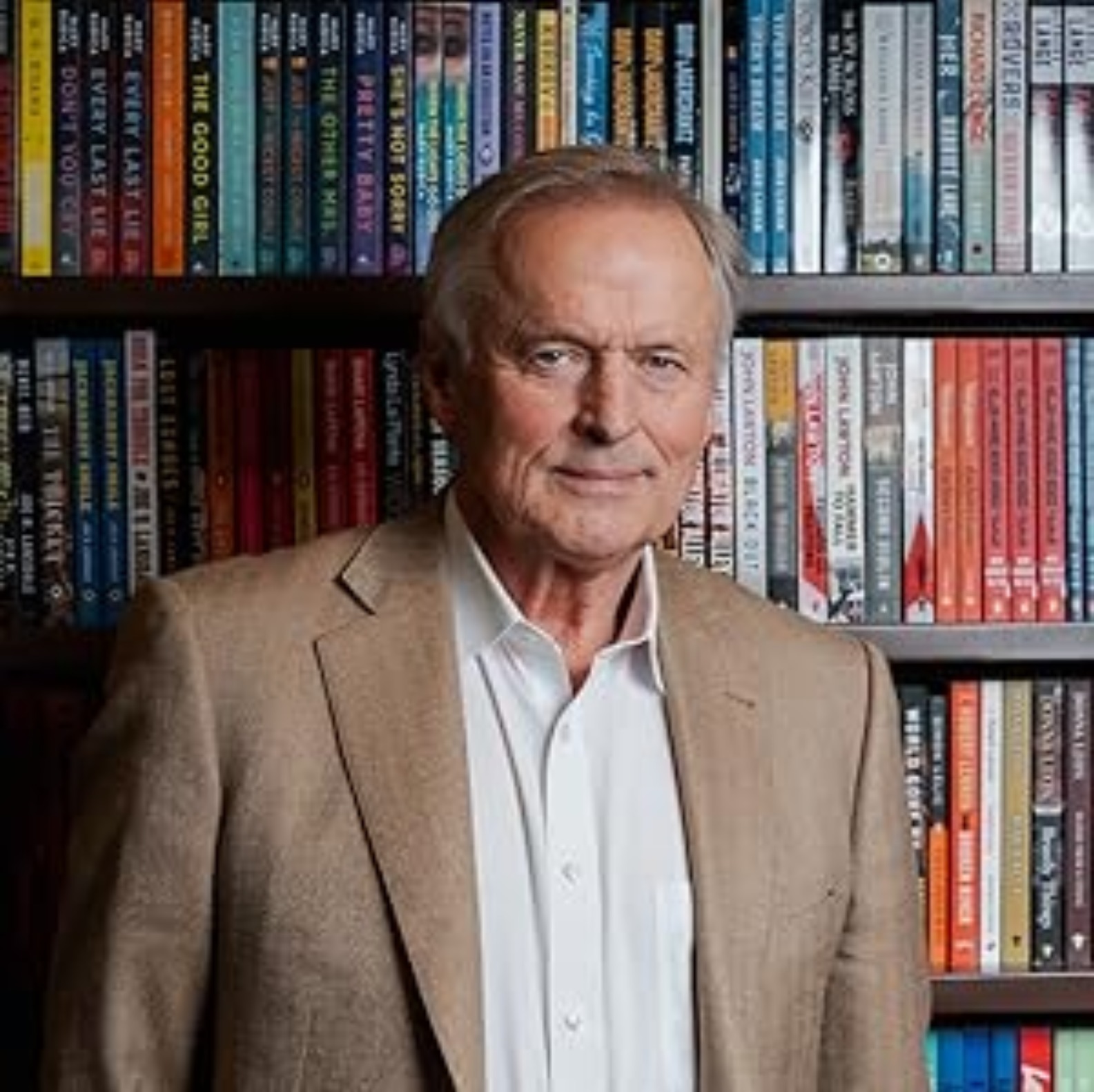
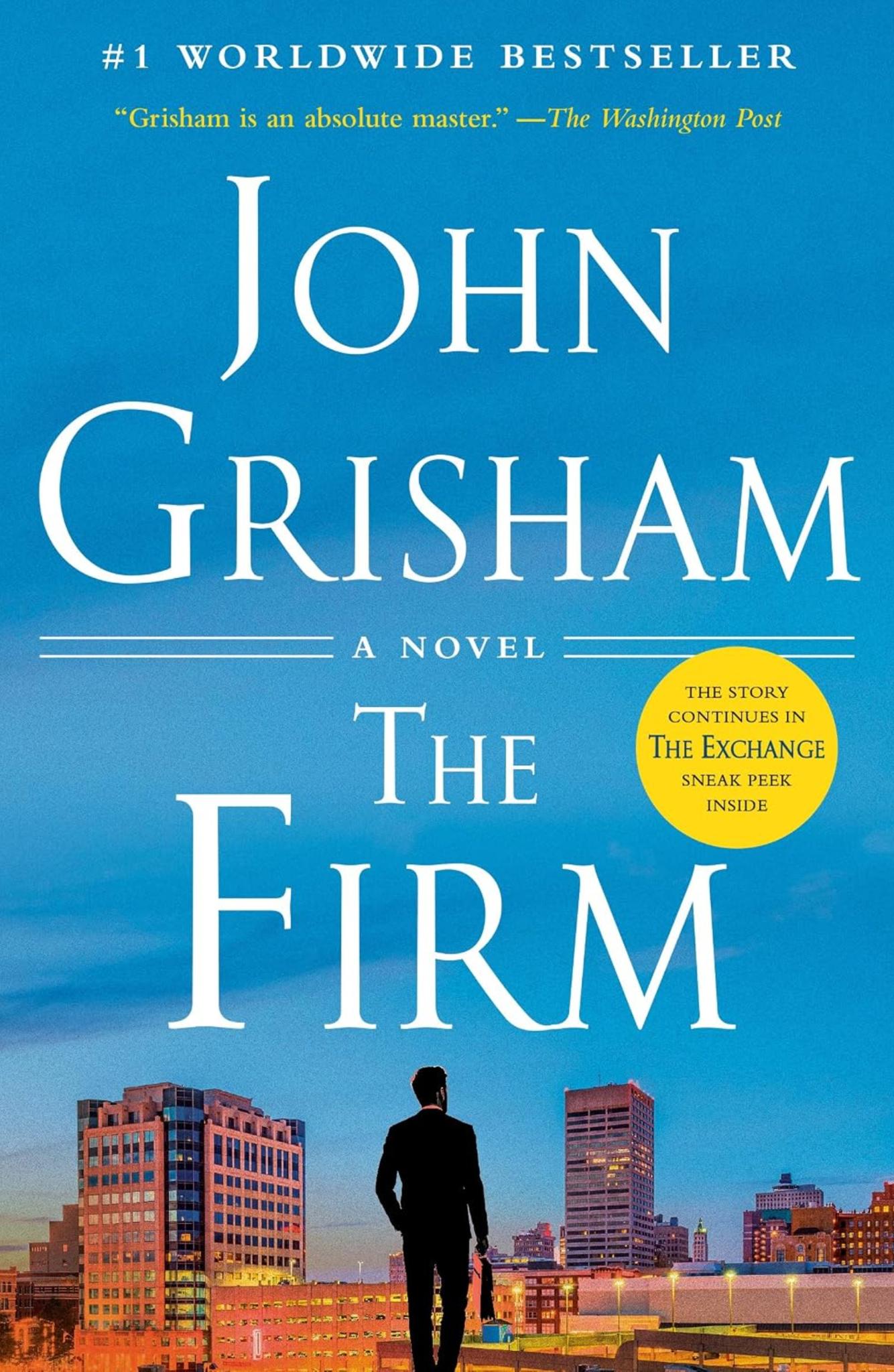
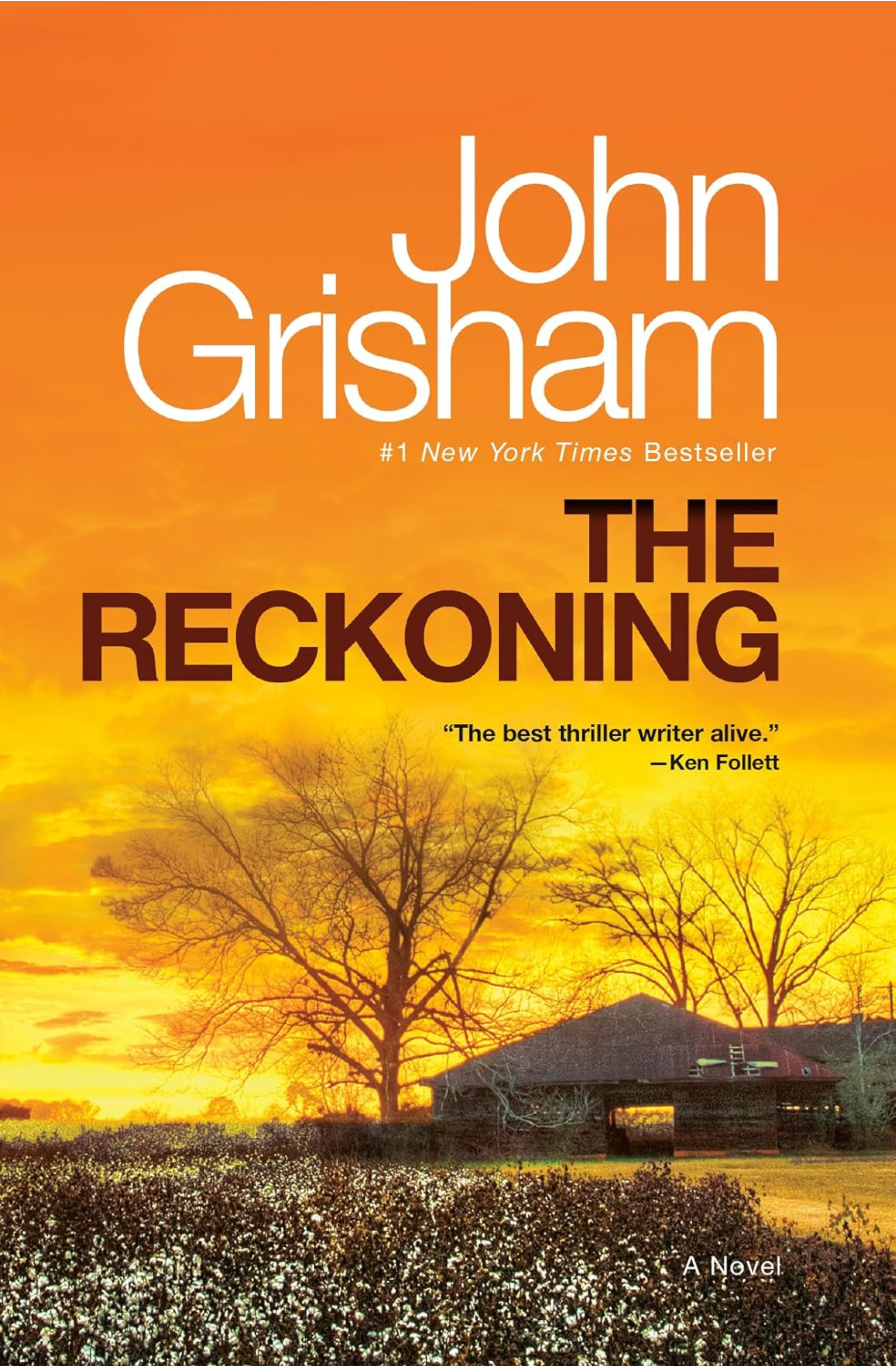
John Grisham is the author of more than fifty consecutive #1 bestsellers, which have been translated into nearly fifty languages. His first bestseller, The Firm, sold over seven million copies and was adopted into a movie starring Tom Cruise. Six of his other novels have also been adapted into films. Grisham’s recent books include The Boys from Biloxi, Camino Ghosts, and The Widow. Before turning to writing, he was a practicing criminal attorney for a decade and a member of the Mississippi state House of Representatives.
Grisham is a two-time winner of the Harper Lee Prize for Legal Fiction and received the Library of Congress Creative Achievement Award for Fiction and the Galaxy British Lifetime Achievement Award. He also serves on the board of directors of the Innocence Project and of Centurion Ministries, two national organizations dedicated to exonerating those who have been wrongfully convicted.
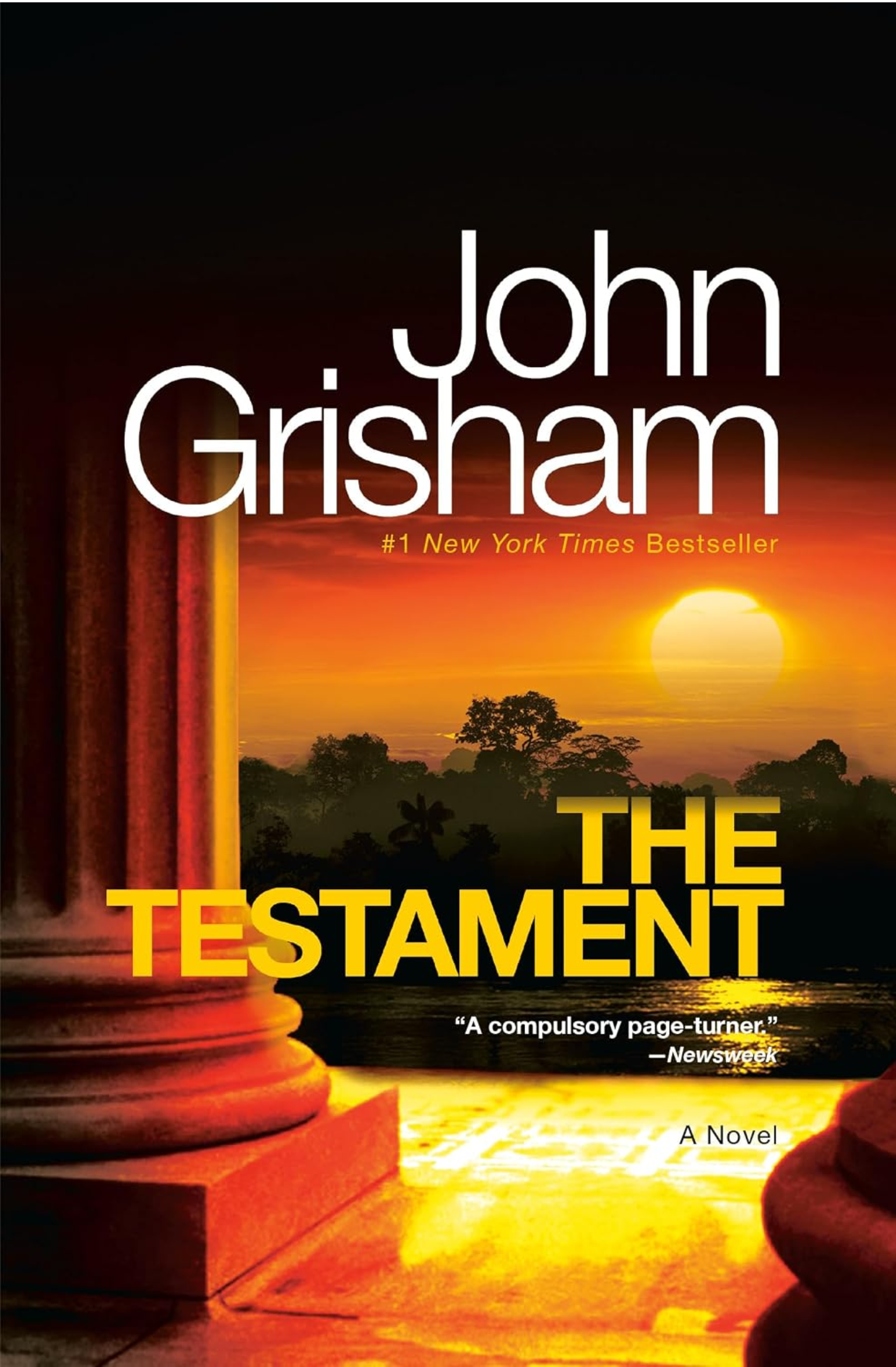
Buy other books by John Grisham on Amazon:
Header Photo: "Riot Radio" by Arielle Calderon / Flickr / CC By / Cropped
Silver Screen Video Banner Photos: pedrojperez / Morguefile; wintersixfour / Morguefile
Join Button: "Film Element" by Stockphotosforfree
Twitter Icon: "Twitter Icon" by Freepik
Facebook Icon: "Facebook Icon" by Freepik
LinkedIn Icon: "LinkedIn Icon" by Fathema Khanom / Freepik
Goodreads Icon: "Letter G Icon" by arnikahossain / Freepik
Certain images on this site appear courtesy of Amazon.com and other sponsors of Silver Screen Videos for the purpose of advertising products on those sites. Silver Screen Videos earns commissions from purchases on those sites.
© 2026 Steven R. Silver. All rights reserved.
